Design matters. And we're here for it.
Good design isn't about how a room looks. It's about how people feel. IMEX and Cohera break down what experiential event design actually does.
Every two years, IMEX plucks a theme straight from the industry’s 3 AM thoughts. This year? Design Matters.
Not the pretty-for-pretty’s-sake kind. The kind that decides whether your event gets remembered or blends into the blur.
Because here’s the thing about design in 2026: a lot of events are starting to look suspiciously similar. Same white-label templates. Same AI-generated stock imagery. Same Pinterest-approved trends. At some point, you have to wonder: did we all get the same mood board?
When everything starts looking the same, design becomes more than aesthetics. It becomes identity. It’s what makes people stop, look twice, lean in, and remember where they were when they saw it.
So we asked Anna Gyseman, IMEX’s Head of Design, Sara O’Connor, Cohera’s VP of Design, and Hannah Weiss, our Event Marketing Manager, to help us unpack why design matters.
What is experiential event design?
At its core, experiential design is about intentionally shaping the full attendee experience. Does that include decorating a space? Absolutely. Is that where the job ends? Not even close.
“Design isn’t just décor, it’s decision-making,” says Sara O’Connor, Cohera’s VP of Design.
Every choice around flow, color, texture, lighting, sound, and sequencing either supports the attendee journey or works against it. A beautiful space that’s impossible to navigate? Design problem. A simple space that intuitively guides people where they need to go? That’s design doing its job.
In other words, pretty is only half the assignment.
Anna Gyseman, IMEX’s Head of Design, takes that idea one step further. For her, design isn’t just about making an experience work. It’s about making the business work, too.
“Because good design is good business,” she says. “This is what I was taught, and what I believe is true to this day.”
That philosophy sits at the heart of IMEX’s Design Matters focus. Design isn’t decoration added at the end. It’s a strategic tool that can shape how people experience a brand, connect with others, and remember an event long after the event ends.
And if that sounds like a lot of responsibility for something as “simple” as design, well, that’s the point.

The first impression was already making an entrance at this event. A custom LED entryway set the tone before guests even reached the main space.
How does event design impact the attendee experience?
Environment does more work than most planners give it credit for. It shapes how people feel, behave, move, connect, and remember. For years, design could be treated as the final layer, something that came after the strategy was already set. Not anymore.
“One of the shifts I’m most proud of at Cohera is moving design further upstream in our process,” O’Connor says. “It’s part of how we shape the strategy from the first conversation.”
When design shows up early, the conversation changes. The team isn’t just deciding what an event should look like. They’re deciding how the entire experience should work.
And here’s where it gets interesting: the little things can do some very big work.
“The elements people remember aren’t always the biggest production ones,” O’Connor says. “Often, they’re the details they didn’t expect: a handwritten element, a scent that triggers a memory, a personalized interaction.” Even a transition between spaces can build anticipation for what’s next.
At Cohera, that means designing the entire guest journey, not just the ballroom. The experience starts long before guests arrive, and every touchpoint along the way is a chance to make them feel seen.
Think of it as designing the whole story, not just the room where the story happens.

Every detail stayed in character. Hand-drawn elements, poppy-inspired design, and a visual thread carried from one touchpoint to the next, creating an immersive world that earned Beyond the Emerald City a 2026 ILEA Esprit Award for Best Design/Décor.
How does experiential design increase event engagement?
Good design doesn’t just look nice. It gives people a reason to participate.
Anna Gyseman has watched this shift play out across the industry.
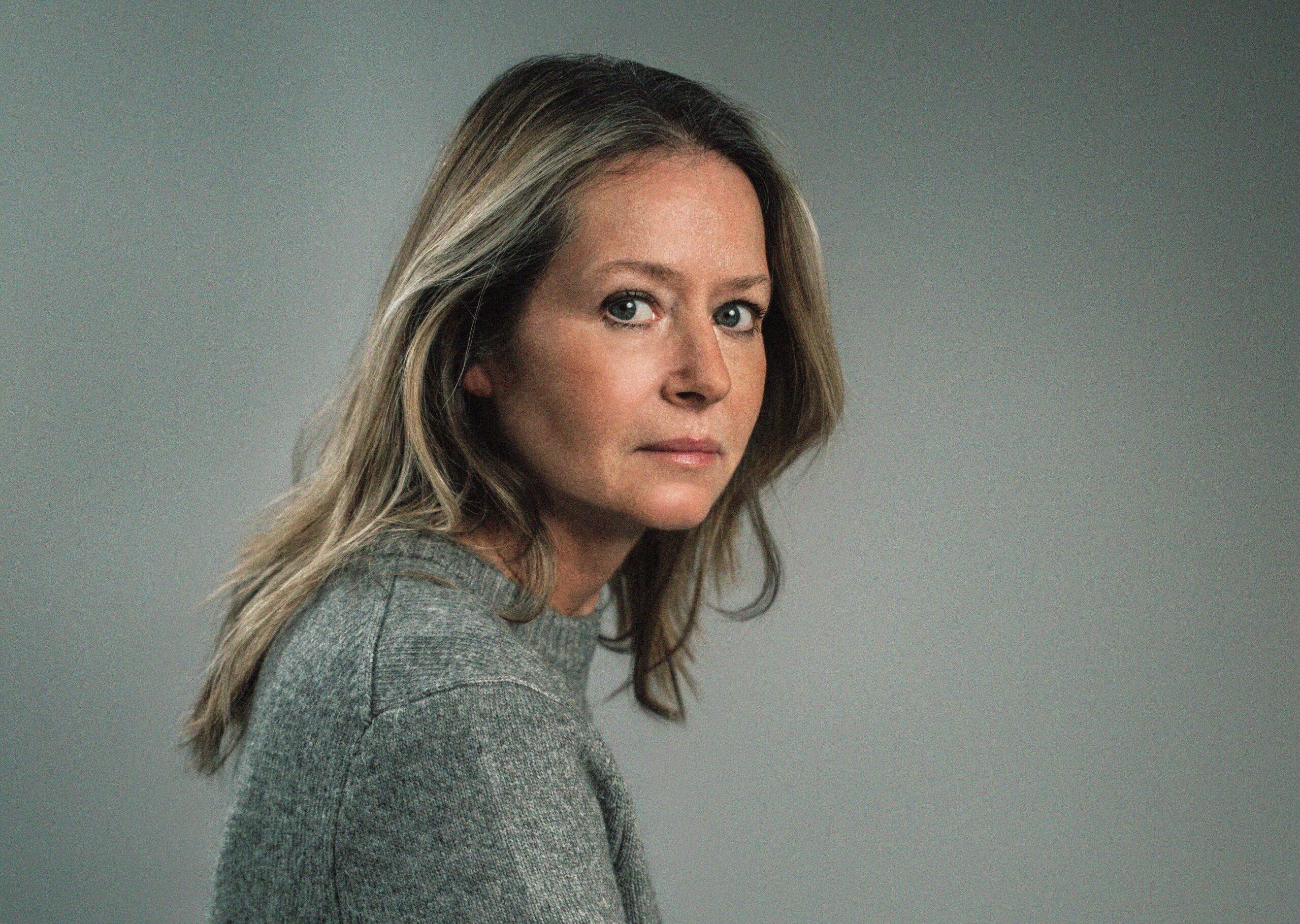
"Design is now the ultimate differentiator" - Anna Gyseman, IMEX Group’s Head of Design
“At a time when attention is scarce, and expectations are high, it’s design–visual, emotional, architectural, experiential–that determines who stands out and who gets remembered.” That’s especially true now, Gyseman adds, in an age of “homogenized everything.” And for Gyseman, differentiation isn’t just about making something look different. It’s about preserving the human thinking behind the experience.
IMEX is intentionally pushing back against what she calls the “mass production of digital sameness,” where speed and volume can take priority over relevance, performance, and craft. Good design, she argues, is one of the few ways brands can still express who they are with clarity and confidence.
What makes an event experience memorable?
Memorable isn’t necessarily about the biggest wow moment. It’s about giving people something to feel.
And that idea of “something to feel” is becoming an even bigger part of the design conversation. IMEX is exploring what happens when we stop treating joy as a happy accident and start treating it as something we can intentionally design for.
Not entertainment for entertainment’s sake. The good stuff. The kind of enjoyment that creates energy, curiosity, and connection.

Enter: Buttercup. The 45-pound butter sheep.
When Cohera set out to design an event inspired by “The Art of Maximalism” at New York City’s Tavern on the Green, the goal wasn’t simply to create a gorgeous room.
“The goal was to make the experience feel theatrical, immersive, and unexpected from the moment guests arrived,” says Hannah Weiss, Cohera’s Event Marketing Manager and lead designer for the event.
The creative direction leaned into “living theater.” Guests weren’t just attending an event. They were stepping into Eden. Florals weren’t just sitting pretty on the tables. Guests visited “The Corsage Boutique” to select their own wearable bloom. Gifting wasn’t just a station. It became “The Living Lounge,” where guests personalized fashion and NYC-themed coffee table books with gold-embossed initials.
And then there was Buttercup. A 45-pound butter sculpture of a sheep’s head, crowned in flowers, served alongside bread and crudité for guests to interact with.
Yes. A butter sheep. And yes, people ate her.
Was she necessary? Technically, no. Was she unforgettable? Very much so. And that’s exactly the point.
“The most successful creative choices were the ones that made the experience feel abundant, surprising, and participatory,” Weiss says.
Nothing in the room served just one purpose. Every element did double duty: décor and experience, all at once. The memorable parts weren’t memorable simply because they looked good. They gave guests something to do, discover, talk about, and take with them.
How can event planners balance creativity, budget, and logistics?
Great design doesn’t require unlimited resources. It requires knowing exactly where creativity will make the biggest impact. Constraints? Bring them on. O’Connor doesn’t see budget, venue limitations, or logistics as obstacles. She sees them as structure.
“Design needs constraints,” she says. “An unlimited budget doesn’t automatically produce the best experience, but intentional decisions do.”
Every limitation forces a sharper question: Where does this client need to invest to create the feeling they’re after? And where can the team find a resourceful workaround without losing the experience?
The real skill, O’Connor says, is knowing which ideas are load-bearing and which are simply nice to have. “I want our teams to fight for the ideas that fundamentally change the experience and be willing to release the ones that are just pretty.”
Innovation was never about doing the most. It’s about knowing what deserves the spotlight. One load-bearing idea, done well, can do more than a dozen pretty ones spread too thin. That’s the difference between an event that looks expensive and one that actually feels considered.
In other words: Don’t spend everywhere. Spend where people will feel it.
Why is event design important for business?
If you still need to convince someone that design belongs at the strategy table, the numbers have entered the chat.
Gyseman points to research from McKinsey that tracked 300 publicly listed companies over five years. The study found that companies in the top quartile for design performance outpaced industry peers by 32 percentage points in revenue growth and 56 percentage points in total shareholder returns. That’s not a design department’s opinion. That’s the finding of a five-year study.
And that business case is exactly why IMEX is treating design as more than a creative nice-to-have. Gyseman describes it as a “business superpower,” a tool that can help power up a brand and create measurable value.
Basically, design has entered the strategy meeting. And it brought receipts.
What are the top experiential event design trends coming our way?
Experience design is becoming more personal, more participatory, and, perhaps most importantly, more human. Here are five shifts we’re watching:
Design for joy, not just engagement.
One idea IMEX is exploring this year goes beyond participation: Can joy actually be designed?
Gyseman sees meaningful enjoyment as a powerful part of the face-to-face experience. Not entertainment for entertainment’s sake, but moments that create energy, curiosity, belonging, and connection.
It raises a pretty fascinating question for event professionals: If we can design for engagement, can we design for joy, too? And if we can, can we measure it?
Good design should make room for everyone.
For Gyseman, the future of design is also about who gets to belong. Accessibility, neurodiversity, well-being, and psychological safety aren’t add-ons anymore; they’re part of the brief.
“How spaces are laid out, how knowledge is shared, and especially how safe people feel, physically and psychologically,” she says, “shows up everywhere in event design now.”
Because an experience only works when people can actually experience it.
AI is here. Creativity still has the final say.
AI is changing how quickly teams can explore ideas, visualize possibilities, and get from “what if?” to “wait, can we actually do that?” But speed isn’t the same thing as strategy.
And it’s not just AI. Between social platforms, templates, and endless creative inspiration at our fingertips, more people than ever have the tools to shape what an audience sees and experiences.
For Gyseman, that’s part of why she says, “We’re all designers now, whether we like it or not!” Design isn’t something reserved for the design team. Every decision, from how an experience is laid out to how information is shared, how people move through a space, and what they’re invited to do, shapes the experience in some way.
You don’t have to be a designer to make design decisions. If you’re shaping how someone experiences an event, you’re shaping the design of that experience.
The catch? More tools don’t automatically lead to better design. They just give us more ways to use our judgment.
As O’Connor puts it, “AI can help us visualize almost anything.” The harder question is still understanding what is worth creating. What will resonate with this particular audience? What will make someone feel something?
AI can generate the possibilities. Humans still decide which ones are worth bringing to life.
Personalization has left the name badge behind.
Putting someone’s name on something isn’t personalization anymore.
That’s the bare minimum. Personalization should actually feel personal. Revolutionary concept, we know.
“I think we’ll move away from personalization that simply puts someone’s name on something,” O’Connor says, “and toward experiences that actually respond to individual interests, behaviors, and choices.”
Less sitting. More doing.
People don’t want to just be present; they want agency.
“I’m also interested in the movement away from passive attendance,” O’Connor says. “People increasingly want agency within an experience, to choose, discover, participate, and shape parts of their own journey.”
The takeaway? Give people something to do, not just somewhere to sit.

The sponsors didn’t just show up. They stole the show. At The Runway Edit, sponsors stepped onto the runway in full designer looks before the guests got their own moment in the spotlight.
How can planners use event design more strategically?
Great design doesn’t start with décor. It starts with a question: What are we actually trying to make happen? For O’Connor’s team, that question starts with the person at the center of the experience: the attendee.
“Who is this for, really? Not the client. The attendee,” she says. “What do they already know? How are they arriving emotionally? What do we want them to understand, feel, or do differently by the time they leave?”
The team also looks beyond the event itself. What does success look like the next day? What will people say? What will they share? What will they remember without being prompted?
Only then does the team look at what they’re designing within, whether that’s an unusual venue, a tricky flow, or a repeat event people already love.
“These questions give us the strategic parameters,” O’Connor says. “Then creativity has somewhere meaningful to go.”
And there’s another side of intentional design that doesn’t always get the spotlight: what happens to everything after the event. Gyseman points to sustainability as a design question, too, echoing the Design Council UK’s idea that “waste is a design flaw.”
Think about it. What gets produced, transported, used, reused, or tossed often comes down to decisions made long before guests arrive. Sustainability isn’t always a cleanup problem. Sometimes, it’s a design problem.
Which makes “design with purpose” feel a little bigger than choosing the right materials. It’s about asking what we’re actually creating, who it serves, and what impact it leaves behind.
Why does design matter for the future of events?
Design was never meant to be the finishing touch. It should be the thinking behind every touchpoint, shaping whether people move through a space with curiosity or confusion, feel invited to participate or content to observe, and leave energized or forget the whole thing by Tuesday.
The future of event design isn’t about making events prettier. It’s about making them more intentional, more human, and harder to forget.
For Gyseman, that human part is especially important. IMEX’s Design Matters focus is ultimately a celebration of the craft itself: the human thinking, curiosity, and intention behind experiences that actually mean something. Because in a world where technology can generate an endless stream of possibilities, the most valuable design decision might still be knowing which idea is worth bringing to life in the first place.
“As you can tell, design is my absolute passion, and I could talk about it forever,” Anna says. She encourages attendees to dig into the IMEX education tracks to keep exploring the ideas behind this year’s Design Matters theme.
The best events don’t happen by accident. They don’t happen because someone picked a pretty color palette, either. They happen because someone asked the right question first. Get that right, and you don’t just design an event. You design the story people carry with them.
Sometimes that story is a brilliant strategic idea.
Sometimes it’s a 45-pound butter sheep.
Ideally, it’s both.
IMEX America takes place at Mandalay Bay, Las Vegas, October 13-15, more information here.
Ready to make design matter at your next event? Whether it’s the full guest journey or one idea that changes everything, let’s create an experience people remember. Let’s talk about what that looks like for your next event.


Browse our blog
Stop wandering. Start working IMEX.
Read more
IMEX America is big. Your time is precious. Make every meeting count with tips for smarter planning, meaningful connections, and a little room for the unexpected.
Look again: Finding inspiration in the city you know
Read more
Discover how exploring your own city with fresh eyes can spark creativity, deepen destination knowledge, and inspire better events.
Meet Trina Roffino
Read more
New CEO. New chapter. Lots to be excited about.
Ready for your one-of-a-kind experience?
Your inbox is starving. Feed it something good.
Sign up for our newsletter