
 Creative

Sensory design is doing more than setting the mood
Sensory design tips for creating corporate events guests feel, remember, and talk about long after the lights come up.

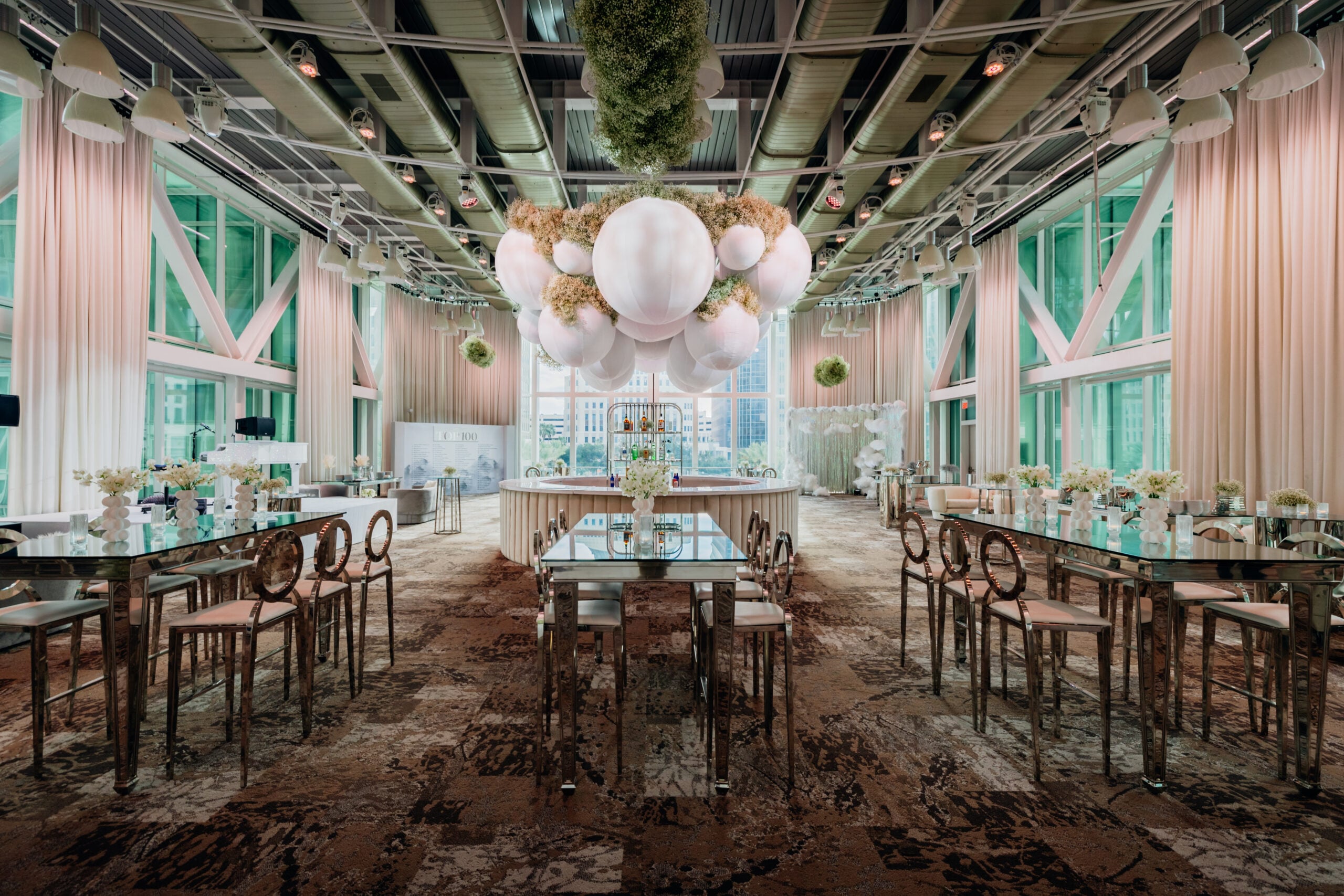
You know that feeling when guests walk into a room and instantly get it?
They may not say, “Ah yes, the lighting temperature, linen texture, ambient audio, and passed cocktail garnish all support the central message.” Bless them; no one wants that person at Table 12.
But they feel it. They slow down, look around, start taking photos before they even realize their phone is in their hand. They text the colleague who skipped the reception and say, “You should have come.”
That is sensory design doing its job.
For planners who have been building events through every trend cycle, from ballroom uplighting to flower walls to the year everyone wanted a neon sign, this is not about tossing out experience and chasing the next shiny thing. It is about using what we already know, then sharpening it for how people connect now.
Start with the feeling
Before we pick a chair, a linen, or a specialty drink that smells suspiciously like “a tropical getaway,” we ask what the room needs to do for the attendee.
Should it celebrate? Calm? Reward? Focus? Surprise? Make a sales team feel like they just won the whole dang season?
Sensory design starts there. The room should not just look related to the objective, it should behave like it understands the objective.
For a recognition event, the arrival needs a little theater. For a content-heavy general session, guests may need clear sightlines, comfortable seating, lower visual noise, and music that does not make them feel like they accidentally entered a product launch rave at 9:03 a.m. Different purpose, different sensory choices.
Recent event research backs up what planners already know from the show floor: sight and sound often drive first impressions, while scent, taste, and touch can deepen emotional connection and memory when they fit the event theme. The fit matters. Random sensory “stuff” is just clutter with a catering contract.
Give arrival its own job
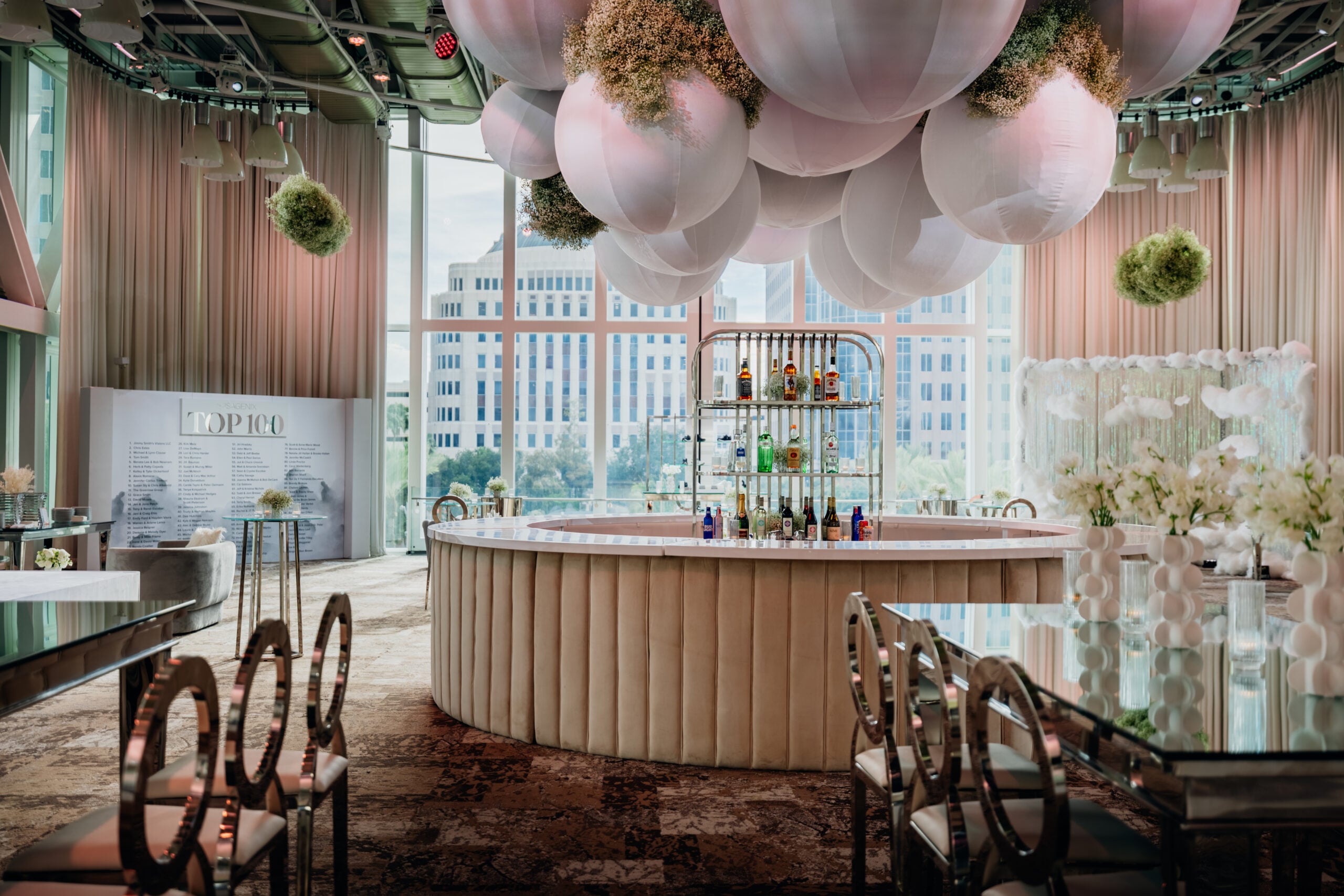
The entrance is not a hallway. It is an experience.
For a sales awards reception, my team built the creative direction around the idea of being “In the Clouds,” and the arrival experience had to transport guests before they even reached the main room. They entered through a softly lit draped tunnel with a low layer of fog, then emerged to servers dressed in all white offering signature drinks topped with smoke-filled bubbles. Ahead, a solo pianist performed on a riser surrounded by fog, creating the illusion that the music itself was floating.

Inside the space, soft whites, beiges, and grays paired with candlelight, reflective details, oversized white spheres, baby’s breath clouds, and panoramic downtown views. The effect was calm, celebratory, and just a little surreal in the best possible way.
No one needed a paragraph of explanation. The room told the story.
That is the sweet spot for sensory design: guests understand the idea through their bodies before they process it with their brains.
Let the brand whisper a little
As we explored in our piece on branded events people actually feel, not every surface needs a logo. The same thinking applies here. Sensory design can carry a brand without turning the room into a step-and-repeat with passed hors d’oeuvres.
A brand can show up through leather-inspired materials that nod to an automotive interior. It can appear in the color of a garnish, the rhythm of a reveal, the texture of a menu, the way seating invites conversation, or the way a transition moment builds anticipation.
Touch deserves more attention than it usually gets. Research on tactile engagement suggests that simply touching an object increases a person’s sense of ownership — a useful thing to keep in mind. For events, that does not mean handing everyone a branded stress ball and calling it psychology. It means thinking about the attendee’s physical relationship with the room: the chair they settle into, the glass they hold, the invitation they open, the fabric under their hand at dinner.
When those details align, the brand feels present without begging for applause.
Use sound with manners
Sound is one of the fastest ways to change the temperature of a room, and one of the fastest ways to annoy everyone in it.
Music can pull guests toward a dance floor, soften a dinner, signal a transition, or make a reception feel alive before the crowd fills in. It can also flatten conversation, fatigue attendees, and make a networking event feel like a cardio class with name badges.

Treat sound like a run-of-show tool, not background filler. Build the audio arc the way you build the program: lighter at arrival so people can orient themselves, fuller during peak social energy, then shaped around remarks, performances, or closing moments. Create zones when possible, so guests who want to talk are not yelling over the bass line like they are negotiating at a nightclub coat check.
Do not ambush the senses
More is not more when the result is a room that feels like it is trying to win a talent show.
Restraint matters: when elements are not introduced thoughtfully, a space can feel chaotic. Guests need time to notice, move, settle, and enjoy what is in front of them.
This is also an accessibility and comfort issue. Sensory overload can happen when noise, bright light, scent, crowding, or texture become too much, and neurodivergent attendees may feel that strain sooner or more intensely. Event design can help by offering quieter areas, dimmer zones, scent-free paths, clear signage, predictable transitions, and staff who know where guests can reset.
A good sensory plan gives people options instead of trapping them inside someone’s Pinterest board.
Make taste do more than feed people
Food and beverage can carry a story without getting precious about it.
A signature cocktail can echo the event palette. A dessert texture can reinforce a creative direction. A local ingredient can root the program in place. A tableside pour, smoke bubble, edible garnish, or unexpected pairing can give guests a small moment to talk about, which is half the battle at any reception.

But taste rarely works alone. Flavor pulls in smell, sight, texture, sound, and setting, which is why the same bite can feel different under warmer lighting, with different music, or served in a more tactile vessel. Translation for planners: the menu is part of the room, not a separate tab in the budget workbook.
Design the memory trail
The best sensory choices create a trail guests can follow: the first cue at arrival, the reveal as they enter, the texture at the table, the sound shift before remarks, the scent of a local floral, the taste of something tied to place, the lighting change when the party starts moving.
None of those choices need to scream—they need to connect.
That is how an event moves from “looked nice” to “remember when.” It is also how a brand, message, or milestone stays with people after the ballroom is reset, the rentals are loaded, and someone finally finds the missing box of chargers.
Ready to create the kind of event people keep replaying on the flight home? Start your next “you had to be there” moment with Cohera.
Browse our blog
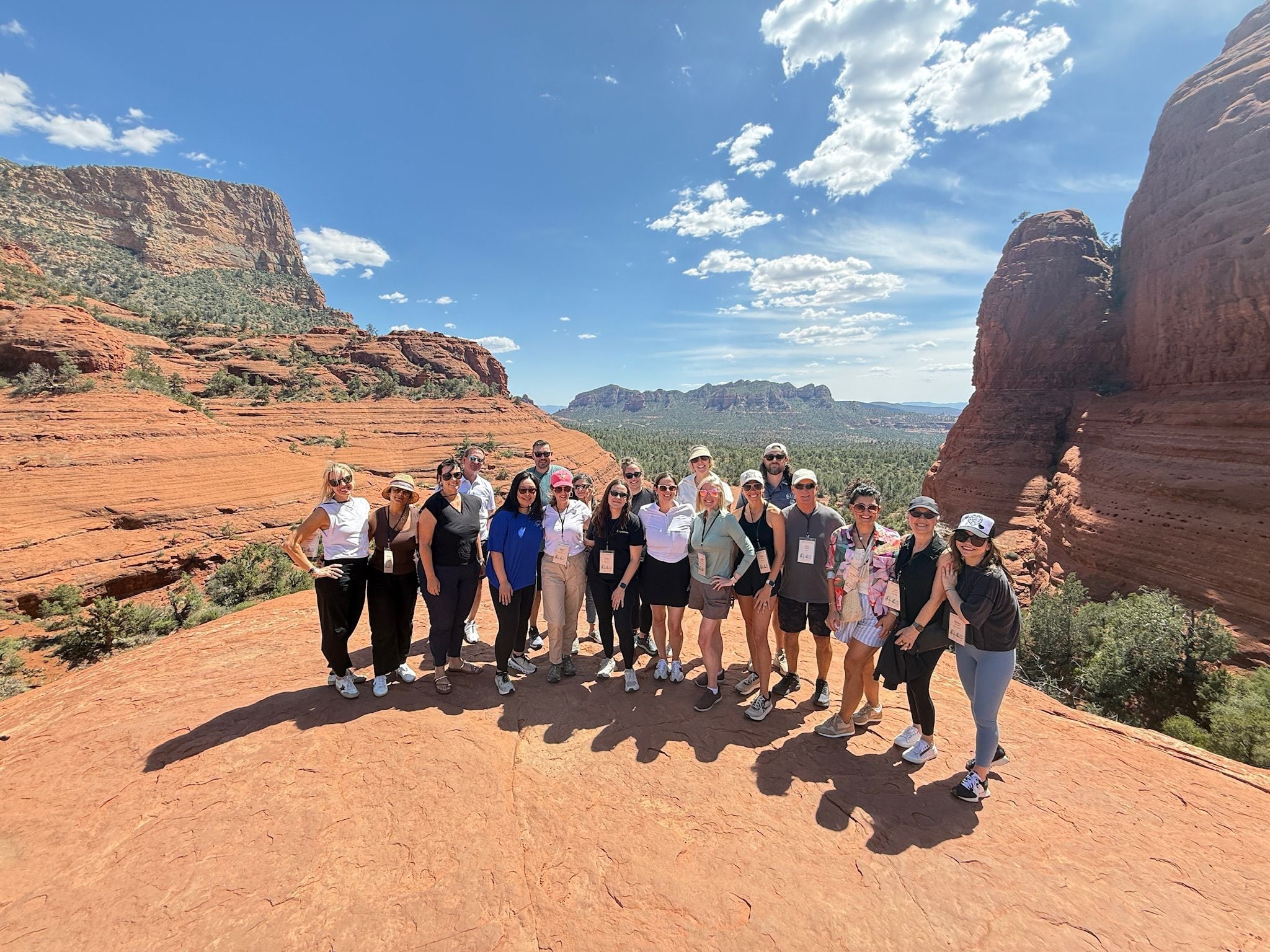
Designing for corporate event planners, AKA the hardest room to impress
Read more
Planning a corporate event for corporate event planners? That's our favorite kind of challenge. Here's what it takes to impress the hardest room there is.
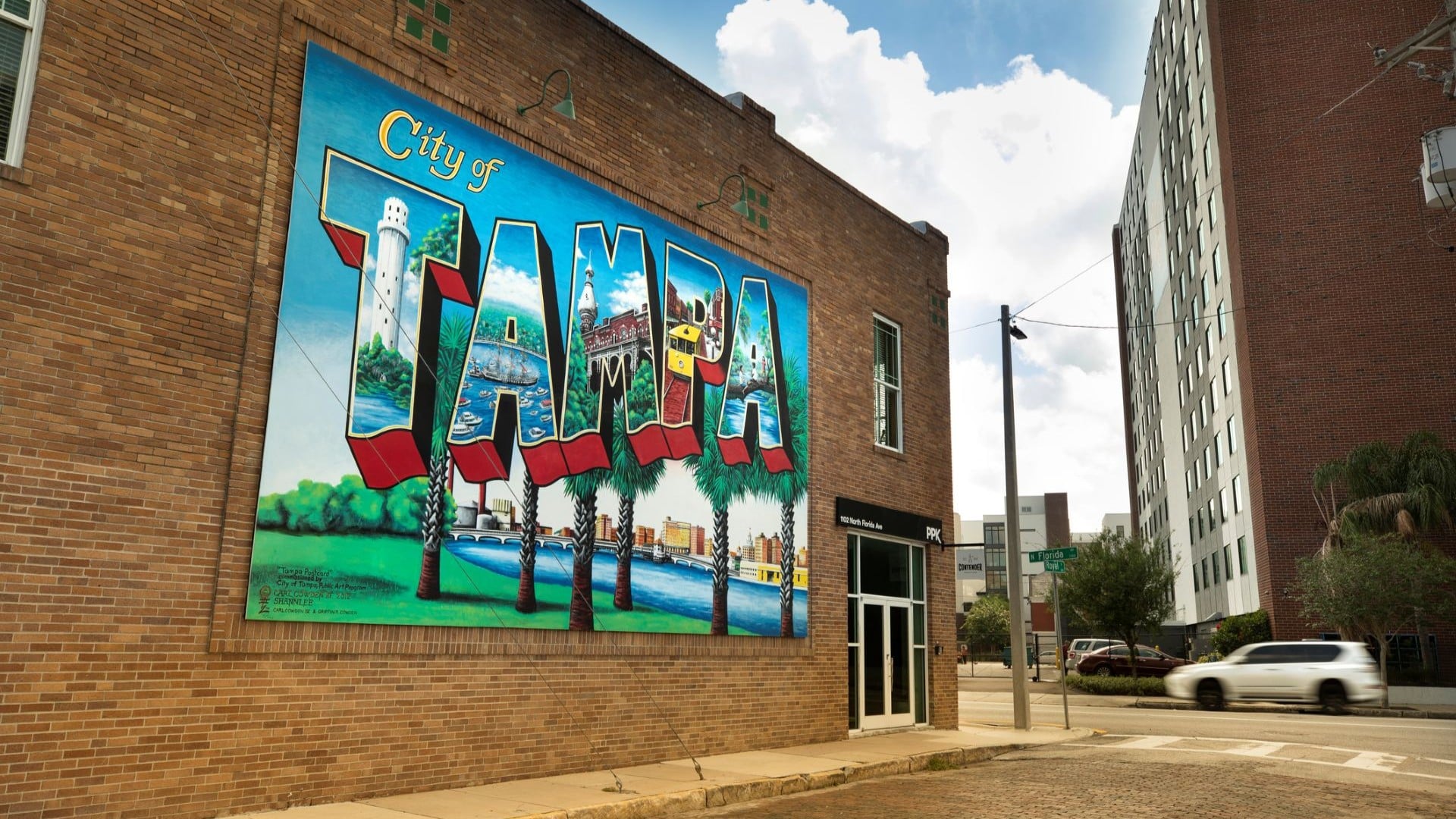
Dive into Tampa: A planner’s playground beyond the ballroom
Read more
Discover what to do in Tampa with corporate groups, from waterfront adventures and neighborhood tours to dining, culture, and private events.

Building balance in a burnout industry
Read more
It’s no secret: burnout runs rampant in our industry. But building work-life balance isn’t a mystery—it's a necessity. Here's how the Cohera team does it.
Ready for your one-of-a-kind experience?
Your inbox is starving. Feed it something good.
Sign up for our newsletter