
 Creative

The science behind “you had to be there”
How Cohera turns goals, audiences, brand messages, and destinations into one cohesive creative direction.


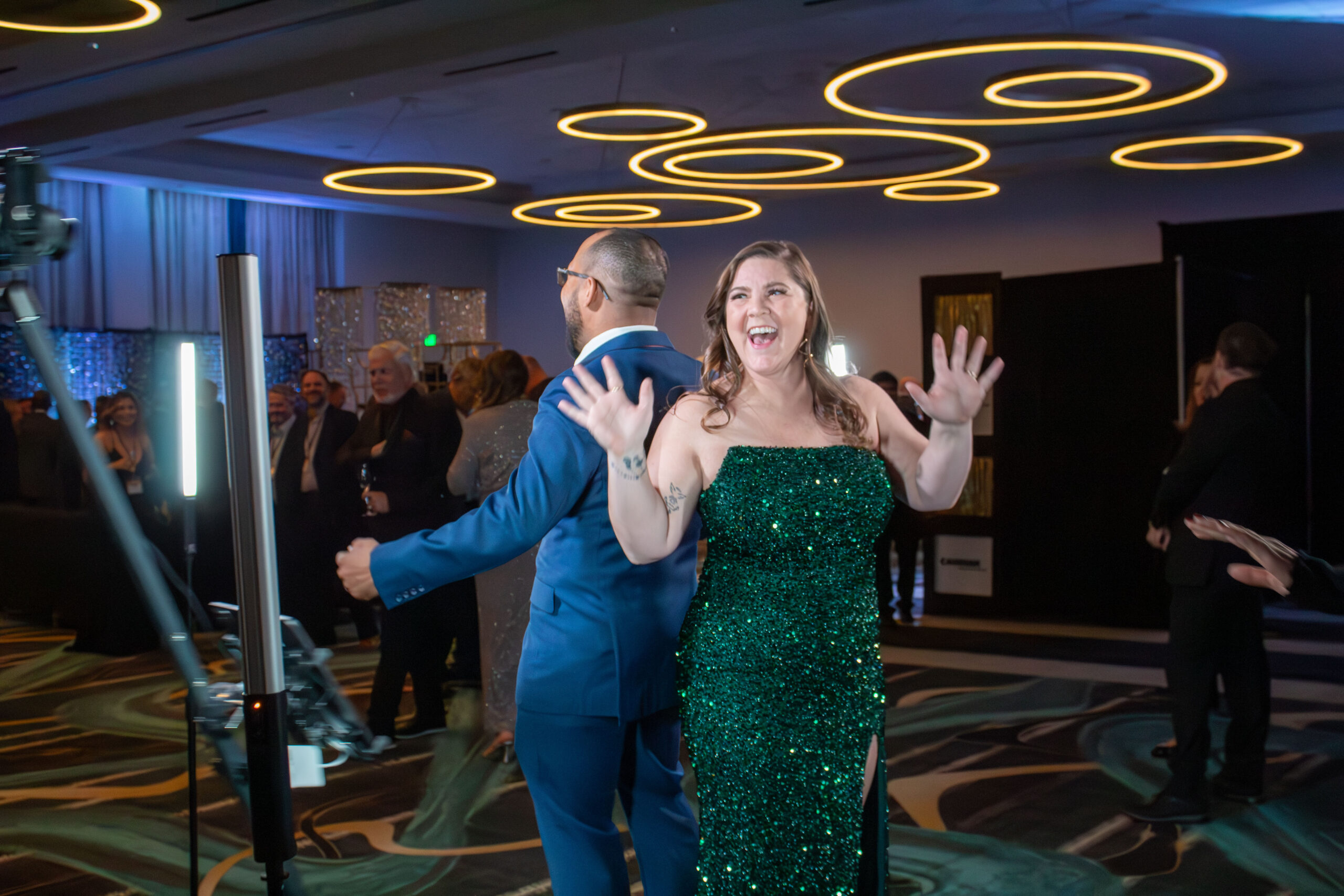
You can spot it in the first 20 minutes of a kickoff call: the planner has a goal, leadership has opinions, marketing has brand guardrails, the destination has its own personality, and the attendee has exactly zero patience for an event that feels like it could have happened anywhere.
That is where Cohera gets to work.
Not with a mood board for mood board’s sake or with a pile of pretty ideas quietly competing for budget and oxygen. We start by connecting the pieces that already exist: the audience, the business objective, the brand message, the destination, the flow, the timing, the weather backup, the transportation realities, the hidden venue that never shows up on page one of a search, and the thing your stakeholders keep hinting at but have not fully said out loud yet.
Creative direction is not decoration. It is decision-making with a point of view.
Start with the guest
Clients often come to us with a goal: celebrate top performers, launch a strategy, build connection, reward loyalty, shift culture, create momentum. All useful. All broad enough to fit inside a tote bag next to six badge ribbons and a half-eaten protein bar.
So we ask the better question: what should guests feel, remember, believe, or do differently when they leave?

That answer changes everything.
Celebration might mean champagne and applause for one audience. For another, it might mean being seen by leadership in a way that feels personal. Connection could look like shared discovery, relaxed conversation, smart collaboration, or one fantastic dinner where phones stay face-down because the room finally has everyone’s attention.
Before we name a direction, we listen for the gap between what the client wants to accomplish and what the audience needs to experience.
That is usually where the strongest idea is waiting, tapping its foot politely.
Let the destination speak
A destination should not be a backdrop. It should earn its place in the program.
Our local Design & Development team begins by looking closely at what the destination can genuinely support: the season, the venues, the movement between spaces, the local partners, the energy of the city, the moments that feel fresh, and the ones that have been done enough times to deserve a nice retirement party.
Sometimes the creative direction starts with one remarkable venue. Sometimes it starts with a cultural thread, a local maker, a regional flavor, or a logistical constraint that forces sharper thinking. We love a constraint, honestly. It keeps everyone from floating away on a cloud of “wouldn’t it be cool if…” while the production schedule quietly starts sweating.

Because Cohera’s teams sit close to the markets we serve, we know what works in real life. We know which venue looks stunning online but creates a 14-minute bottleneck at coat check. We know when a five-minute transfer is actually 22 minutes with traffic, security, and 600 humans who all need the restroom at the same time. We also know which local partner can take a simple moment and make it feel rooted, thoughtful, and worth talking about later.
That local intelligence keeps the creative direction exciting and executable. Fancy on paper is easy. Guest-ready on site is the job.
Build the throughline
Once we understand the guest, the goal, and the destination, Creative Studio shapes the throughline.
That includes the tone, visual language, story moments, environmental cues, guest journey, and emotional pacing. In plain English: we decide how the experience should feel, then make sure every major touchpoint supports that feeling.
Arrivals are not just transportation and check-in. They are the first cue that guests are in good hands.

General sessions are not just chairs, screens, and content, they are where the brand message becomes shared belief. Receptions are not just food and entertainment, but where people relax into the room. Gifting is not just a takeaway. It should extend the memory without screaming “hotel-room swag pile.”
A strong direction becomes a filter. Does this venue support the story? Does this entertainment match the energy at that point in the agenda? Does this menu feel connected to the destination? Does the signage help guests move with confidence? Does the offsite feel like part of the program or like someone taped on a field trip because there was an open afternoon?
When the answer is clear, the planner gets something extremely valuable: fewer random decisions.
Pressure-test everything
This is where Design & Development and Creative Studio work best together.
Creative Studio pushes the concept, the visual thinking, and the guest-facing story. Design & Development holds the destination, budget, vendor options, timing, venue flow, permits, staffing, and weather realities steady. Nobody tosses a gorgeous idea over the wall and hopes operations can wrestle it into submission by Tuesday. The teams build together.
We ask: is the idea strong, and can we deliver it in this market? Does the budget support the moments that matter most? Are we asking guests to move too much? Are we giving them room to reset? Is the surprise placed where it will actually land, or are we forcing a big reveal when half the room is still looking for their assigned table?

This constant back-and-forth prevents the dreaded “collection of nice ideas” problem. You know the one. The welcome reception is cute, the entertainment is fun, the gifting is thoughtful. The offsite has potential. Yet somehow, the full program feels like five different teams planned it in five different group chats.
We prefer one clear story, built from every angle.
Know when to turn the volume down
Cohesion does not mean every moment needs to match, sparkle, shout, or wear the same color palette like a family reunion T-shirt.
Sometimes the smartest creative choice is restraint.
Not every transition needs a surprise, nor does every corner need signage. Some moments should impress, orient, or create comfort. Some should let people breathe, because even the most social attendees occasionally need 11 quiet seconds and a decent sparkling water.
Pacing is part of the design.
When we map the guest journey from arrival through departure, we look at rhythm as much as aesthetics. Where does the energy build? Where does the audience need clarity? Where should the destination step forward? Where should logistics disappear into the background? The moments guests never consciously notice often determine whether the event feels connected.
Nobody leaves saying, “Wow, the transportation timing was emotionally supportive.” But they feel it when it is.
Make the planner’s job easier
A cohesive creative direction gives planners a sharper tool for stakeholder conversations.
It helps explain why one venue makes more sense than another. It clarifies where to invest and where to simplify. It gives leadership a story they can understand, not just a spreadsheet of options. It also reduces rework because the team has a shared filter earlier in the process.
For planners managing budgets, executive opinions, internal approvals, attendee expectations, and the occasional late-breaking “Could we just add a celebrity chef?” request, clarity is survival.
Our job is to bridge the gap between ambition and execution so planners do not have to translate creative ideas into operational reality alone. We tell the truth about what will work, what will not, what is worth the spend, and what might look great in theory but give the guest experience very little in return.
That honesty saves time, protects budget, and helps the final program feel intentional.
Earn the “you had to be there”
An event earns that reaction when it feels specific to the people, the place, and the purpose.
It might be an arrival that feels personal, a venue guests would not find on their own, or a local detail that feels natural, not tacked on. Most of the time, it is not one big moment. It is a series of smart choices that make the experience feel easy, connected, and worth remembering.
That is what strong creative direction does. It helps the team connect the dots early, avoid the obvious answers, and build a program that feels considered without feeling overworked.
Ready to see what your next program could become? Start the conversation with Cohera.
Browse our blog
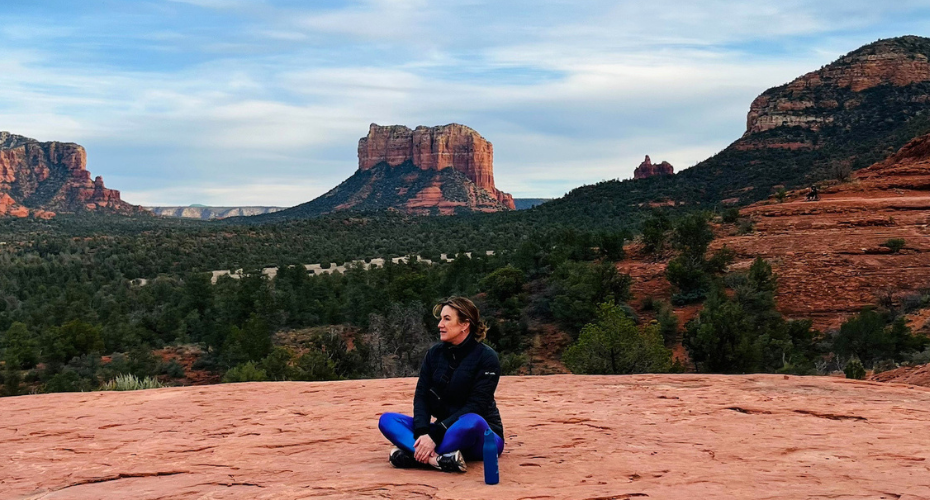
Meet Trina Roffino
Read more
New CEO. New chapter. Lots to be excited about.
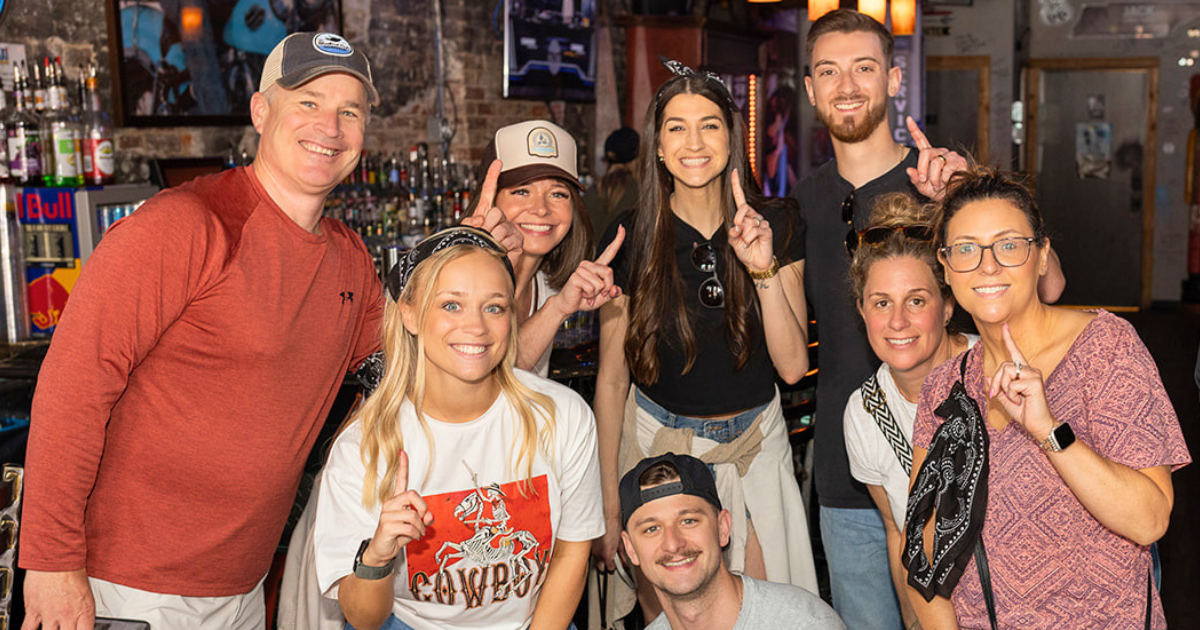
What to do in Nashville: A group guide for planners
Read more
Nashville has no shortage of ways to turn a group trip into a good time. Discover the hotels, venues, restaurants, and experiences worth adding to your Nashville agenda.
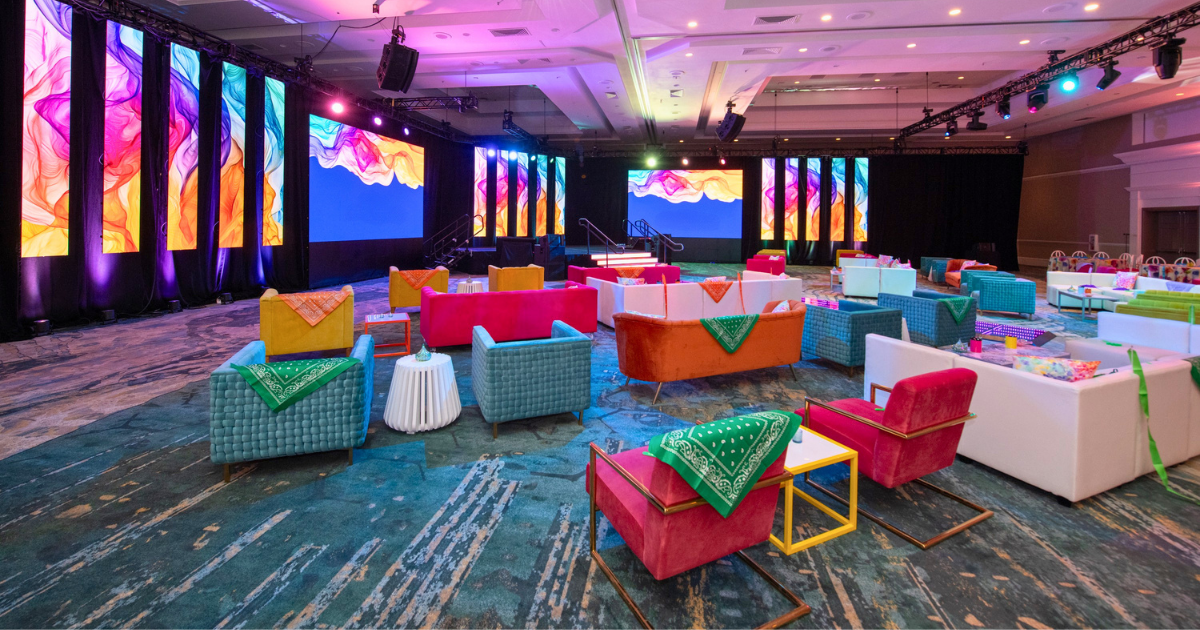
Breaking the general session mold
Read more
General session design doesn't have to feel predictable. See how experiential touches turn the main stage into a moment guests remember.
Ready for your one-of-a-kind experience?
Your inbox is starving. Feed it something good.
Sign up for our newsletter