
 Creative

How to design events where people actually connect
Design events that help guests unplug and connect with smart layouts, tactile activities, and human centered tech.
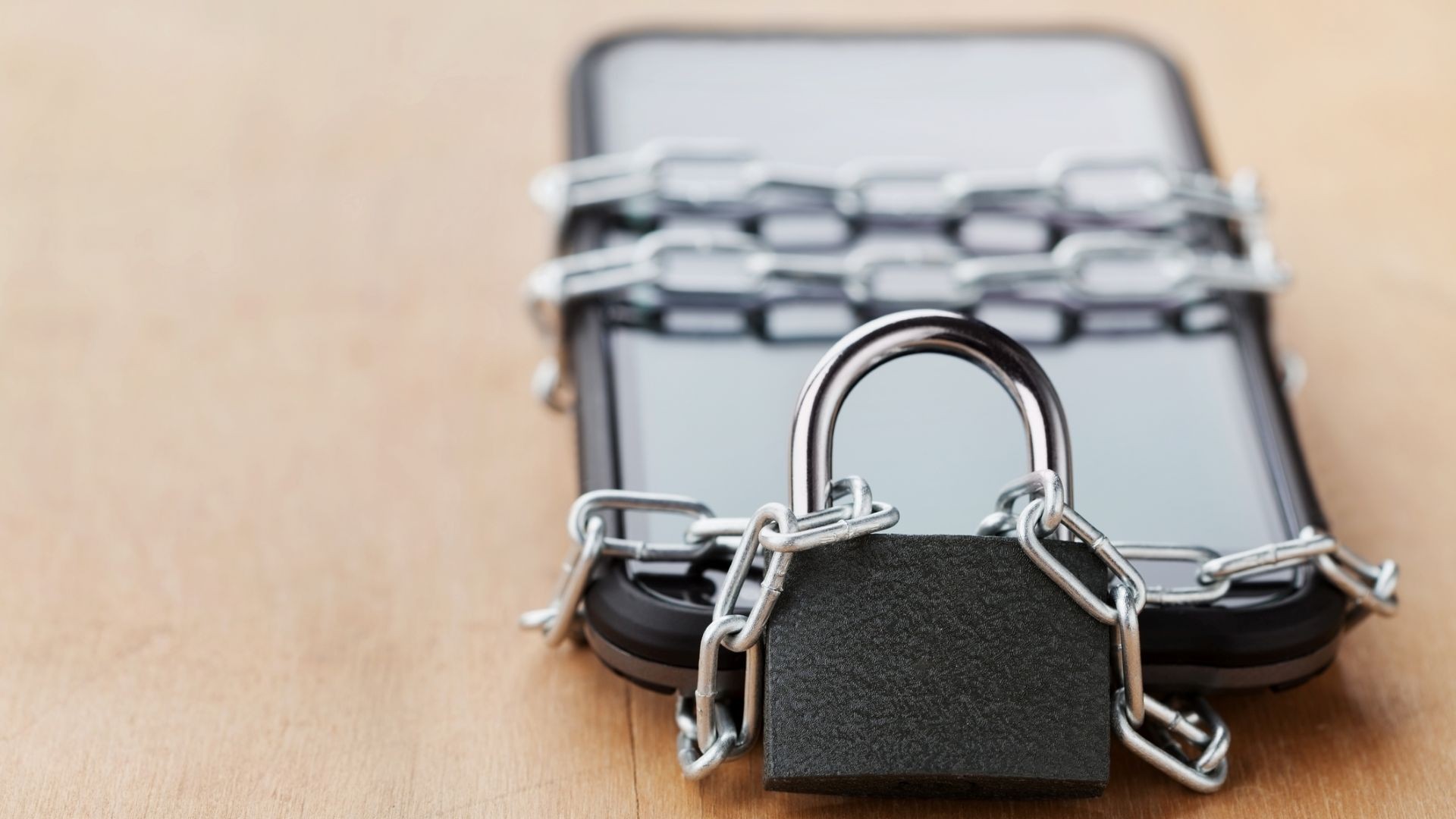
A funny thing happens in December. Even the busiest among us start eyeing that stack of unread books, the good nap blanket, and the people we want to be with more than we want to be on Wi-Fi. The urge to unplug is strong. Good news. That same energy translates beautifully to live experiences. If you want attendees to feel present, design for it. Create the kind of moments that do not compete with a screen because they are simply better than whatever is happening on the screen.
This is our sweet spot. We’ve spent decades building experiences that make people lean in, laugh out loud, and talk to each other like humans. Our team spans hospitality veterans who have seen trends come and go, and creatives who love a fresh take. Together, we’ll give you real strategies that help guests put the phone away and connect with what is right in front of them.
First things first: presence is a design choice
Presence does not happen by accident. It is the sum of small signals that say stay, look, listen, join. Start with these layout and flow moves that quietly nudge people toward conversation.
Use shapes that face people toward each other. Circular or semi-circular seating encourages eye contact. Think modular sofas and lounge chairs gathered around a low table. It reads like a living room, not a lecture.
Build clusters, not stadiums. Skip long rows. A few lounge pods spread throughout the space will encourage small-group chats and help introverts and extroverts find their lane.
Move the crowd with intention. Create flow zones that feel natural. Position furniture so guests pass through micro-moments where they can pause, greet someone, and keep going if they want. Side note for your floor plan: sightlines matter. A tucked-away corner can become a great quiet-talk zone if you light it warmly and park a petite bar nearby.
Put social on the floor, not the walls. Food and beverage stations should live in the center. People gather where the action is. A circular bar or a coffee island becomes a hub, not a queue.
Signal the vibe without scolding. Tiny tent cards with messages like “Enjoy the moment” do more than a formal please-no-phones sign. A charging station labeled “Phone nap zone” at the entrance of a breakout is light and clear. We love anchoring a few pretty charging stations away from the main program. When devices rest, people talk.

Give hands something useful to do
If guests are using their hands, they are not scrolling. Activities that require touch invite attention, and attention invites conversation.
Make and take, but make it chic. Jewelry stamping with a local artisan. Mini floral bars with a pro who teaches a quick trio technique. Hand-dipped candle stations with custom scents tied to the event story. These are tactile, inherently social, and endlessly photogenic after the fact.
Sound baths and breathwork pop-ups. Short guided meditations or singing bowl interludes reset the nervous system in under ten minutes. The shared quiet becomes its own conversation starter.
Analog fun with a purpose. Polaroid cameras passed table to table turn attendees into the event photographers. Display the prints in a gallery that grows throughout the night, then send everyone home with a favorite. Better yet, weave in a corporate social responsibility moment like backpack packing or hygiene kits. Tangible progress feels good and gets people talking while they work.
Conversation cards that actually start conversation. We are partial to Penne For Your Thoughts by our own Courtney King, CPGE Creative Services Manager. The deck is arranged as a dinner menu, so you can place a “Sips” level prompt at cocktail hour and save “Desserts” for the after-dinner linger. Clip one to a passed drink, tuck one into each place setting, or tie them to name badges. When the question is good, the phone stays in the pocket.
Design for the kind of connection you want.
“Networking” looks different from “shared experience.” Decide the goal, then choose tactics that serve it.
If the goal is one-to-one conversation. Scatter small lounge pods away from the stage with sound-friendly textiles. Add quiet activities, like a mini puzzle tray or a simple hands-on craft. Keep bar lines short by splitting service points. Position conversation prompts at tables and in pockets around the space.
If the goal is collective joy. Say yes to play. A life-sized game guests can enter, climb, or bounce through will disarm even the most seasoned executive. Layer in a give-back so each laugh also funds a cause. People leave grinning, not doom-scrolling.
If the goal is mindful presence. Turn everyday moments into rituals. A tasting can be more than flavor. Water, of all things, becomes fascinating when expertly guided. Slow is a luxury. Choose programming that invites wonder, not spectacle, and watch phones disappear from hands.
If the goal is co-creation. Replace the demo with the doing. Cooking side-by-side with a culinary star. Painting with a local muralist. Composing a track with live instruments guests trigger by touch. When attendees help create, they become part of the story.
6 real-world builds that kept eyes up and hearts in.
These programs are different on paper, but they share a throughline. Every element gives people a reason to be present together.
- Listening to Water at The Broadmoor. Guided by a water expert, guests explored terroir by tasting fine waters from around the world. The pace slowed. The questions got thoughtful. Hydration turned into a conversation about place and attention. Guests left comparing notes like it was a wine flight. That is the power of reframing something familiar into a mindful moment.
- The Human Claw, also at The Broadmoor. Nostalgia met philanthropy in a big, joyful way. Attendees climbed into a human-sized claw machine to snag prizes while raising funds for the American Red Cross. The room filled with cheers for every attempt. What began as a game became a leveling device. Titles vanished. People pulled for each other.
- Tasteful Rhythms, Our Sensory Dining Experiment. We handed guests produce that played music. Yes, really. Touch a pineapple, trigger a note. Tables turned into bands. Dinner turned into a jam session. Strangers collaborated on a beat. The energy was curious and light. No one thought to reach for a phone until the very end, when the band wanted a group photo with their fruit.
- The Kitchen of Connection with Giada De Laurentiis. Instead of a celebrity demo on a platform, we built a functional kitchen across the guest floor. People rolled pasta next to a household name and swapped stories over simmering sauce. The magic was not in a selfie at the end. It happened between the chopping and the tasting.
- A 30-Yard Field with Tony Romo. We built a micro field so guests could actually toss a football with Tony. As soon as the first spiral hit the air, hierarchy melted. Skills and laughter took over. People who had never met gave each other tips, traded throws, and chirped like old friends.
- Dash for Cash, Miami Beach. We love tech that behaves like a bridge, not a barrier. RFID bracelets, drones, and QR-coded rewards became the bones of a team challenge. The screen time was a tool, not the point. Collaboration took the spotlight. The photos you saw after were smiles and high fives, not selfie walls.
Low-lift signals that pay off.
You do not need a celebrity or a field to get presence. Small choices pile up into a big effect.
Welcome with warmth. Place greeters who are good at names and quick with a genuine compliment at the entrance. A well-timed “you made it” beats a check-in kiosk every day of the week.
Write better micro-copy. Even your elevator signage can invite humanity. “This way to the good conversation” gets more grins than a plain arrow.
Use lighting like a host uses dimmers. Bright at arrival, then gently down in the lounges as the night deepens. Presence follows comfort.
Create a listening line. One staffer at each session acts as a roving concierge for questions. They gather threads, connect people who share interests, and encourage shy attendees to join an existing group. It is networking without the awkwardness.
Offer a “digital detox” lounge guests actually want to visit. Think grounded textures, lush chairs, a tea cart, coloring or sketch kits, and a few short cards with breathing prompts. Keep the language kind and optional.
Tech, but make it human.
We are not anti-tech. We are anti “tech that steals attention from the person across from you.”
Smartphones get a bed, not a scolding. Pretty charging stations placed just offstage or near lounges send a respectful message. Your device is safe here. Your conversation is safer out there.
Use QR codes for discovery, not distraction. Tuck them into quiet corners where guests can opt into a story, a map, or a playlist between sessions.
Invest in sound you can feel good about. The best way to keep people present is to help them hear each other. Mix rooms for voices, not just for music.

"We are not anti-tech. We are anti “tech that steals attention from the person across from you.”
Presence starts with the team
If your crew is burnt out, the event will feel frantic. We build presence into our own operations, especially in high-pressure months.
Walk and talk meetings. Step outside with a colleague for ten minutes, phone in pocket. The movement resets perspective and the sky does wonders.
Mandatory Get Out breaks. Put ten-minute outdoor intervals on the schedule for staff. No devices. Just breath. It sounds tiny. It works.
On-site hospitality for the people creating the hospitality. Hydration stations behind the curtain. Healthy bites that travel. A stash of extra chargers. Your team will naturally pass that energy along to guests.
How to sell this to your stakeholders
You might be thinking this all sounds beautiful, but how do we get buy-in for phone-light programming? Here is how we present it.
Lead with purpose. “Our goal is meaningful connection, so we are designing spaces and activities that make conversation easy and distraction rare.” When leadership hears a clear intent, they will understand the tradeoffs.
Show, do not tell. Share sample floor plans that highlight circular seating, flow zones, and hub bars. Include photos of tactile activations and print a one-page description of the detox lounge. Paint the picture.
Build the business case. Presence leads to stronger relationships, better knowledge transfer, and higher satisfaction scores. That affects retention and sales. If your measurement plan includes dwell time at activations, number of organic introductions, and post-event sentiment, you will have data to back it up.
Offer a middle path. Design phone-free segments, not an entire phone-free event, if your audience is anxious about hard rules. The point is not punishment. The point is care.
A handy planning checklist
Use this quick pass to pressure-test your next program.
- Does your seating face people toward each other?
- Are there at least three micro-hubs where people naturally gather?
- Is there an activity that uses hands and sparks conversation?
- Where does tech support connection instead of stealing it?
- Do you have one moment of purposeful play?
- Is there a quiet reset option like a short meditation or a tea lounge?
- Are there kind, clear signals that encourage device rest?
- How are you taking care of your crew’s presence?
- What will you measure to prove the value of presence?
- Where can you bring in a local maker or cause to ground the moment in community?
The short version
Presence is not a wish. It is a plan. You set the room to invite conversation. You give attendees’ hands something delightful to do. You treat tech as a bridge. You build play, curiosity, and calm right into the run of show. When you do, people stop performing and start relating. The hallway buzz gets richer. The dinner table gets louder. The learning sticks.
That is what we mean by moments that connect. And when your attendees head home for the holidays and into the new year, they will take that feeling with them. They might even put their phone down more often. Imagine that.
Browse our blog
Designing for corporate event planners, AKA the hardest room to impress
Read more
Planning a corporate event for corporate event planners? That's our favorite kind of challenge. Here's what it takes to impress the hardest room there is.
Dive into Tampa: A planner’s playground beyond the ballroom
Read more
Discover what to do in Tampa with corporate groups, from waterfront adventures and neighborhood tours to dining, culture, and private events.
Building balance in a burnout industry
Read more
It’s no secret: burnout runs rampant in our industry. But building work-life balance isn’t a mystery—it's a necessity. Here's how the Cohera team does it.
Ready for your one-of-a-kind experience?
Your inbox is starving. Feed it something good.
Sign up for our newsletter