How to spot the next hot destination before everyone else does
Spot emerging event destinations early with a planner’s guide to trends, timing, access, and on-the-ground momentum.

Some destinations do not explode overnight, they flirt first.
A new boutique hotel opens. A direct flight sneaks onto the board. A chef with real credibility, not just a nice PR team, sets up shop. Suddenly the city you used to pitch as an “up-and-coming” emerging destination is on everyone’s shortlist for destination events, and the dates you wanted are gone.
Planners know this dance. The move is not chasing whatever is already everywhere. It is spotting the place that is about to have its moment, while rates are still reasonable, partners are still hungry, and attendees still feel like they discovered something before it became the internet’s latest obsession.
Influence has always shaped where people want to gather. Long before Instagram, food media, travel editors, hoteliers, and cultural tastemakers were quietly moving markets. Now, influence just travels faster, with more voices and a whole lot more real-time content. The result is the same. A destination starts to feel current. Then it starts to feel credible. Then everyone wants in.
For planners, this matters. Not because every program needs a “hot” destination. It does not. But because knowing how places rise helps you make smarter calls before the crowd shows up with matching pitch decks.
How a place starts buzzing
The early signs are rarely flashy on their own. It is usually a stack of small shifts that start pointing in the same direction.
Hotel development is one of the first tells. When owners are putting serious money into renovations, repositioning, or new builds, they are betting on demand that has not fully arrived yet. Flight access is another. When nonstop routes expand, the barrier to entry drops fast. That is often when a destination moves from interesting to actually workable.
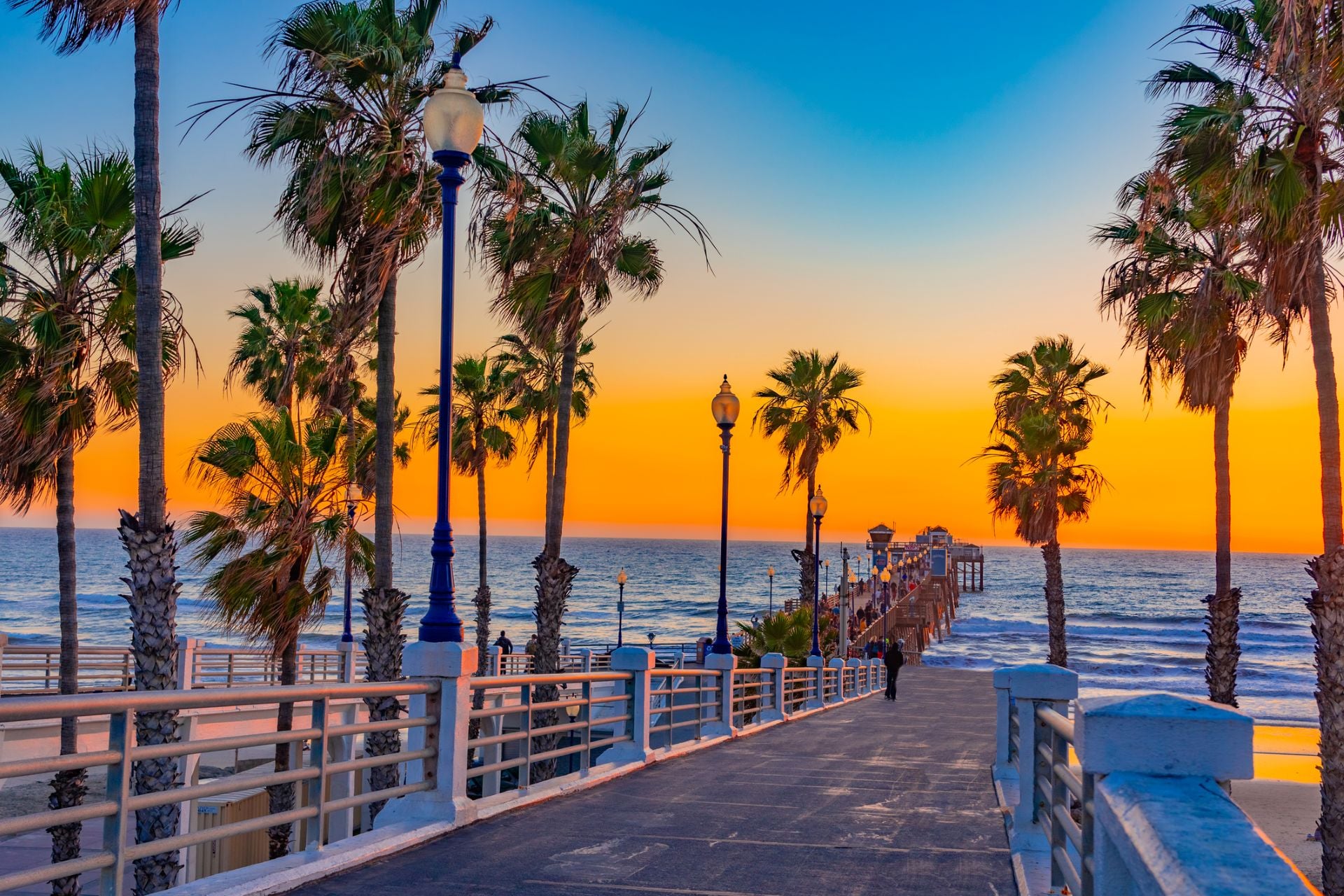
Then comes the culture layer. A chef-driven restaurant opens. Local neighborhoods start getting more attention. People stop asking for the standard tourist checklist and start asking what feels local, current, and a little less obvious. In San Diego, that has shown up in the shift toward walkable pockets, stronger culinary identity, and requests for experiences beyond the usual greatest hits. Austin had similar tells before it became a regular on meeting shortlists. New flights, more hotel development, creative energy, and a broader sense that the city itself had become part of the draw.
Attendee behavior matters too. When people start extending a conference stay by a day or two, take note. When stakeholders light up because the destination itself feels exciting, take note again. That is not filler. That is market momentum.

The FOMO factor
Let’s be honest. FOMO is in the room.
Social proof affects corporate and incentive decisions because nobody wants to pick a destination that feels stale, especially when they are trying to drive attendance, reward top performers, or get stakeholder buy-in. A destination with buzz creates internal excitement. It gives people something to talk about before they even board the plane.
That said, buzz without fit is how you end up with a very pretty problem.
A city can be getting great press and still be wrong for your budget, room block, program flow, or audience. The smartest planners do not confuse popularity with suitability. They use social proof as a filter, not the final answer. If the destination has energy and the logistics hold up, now we are talking. If it is all heat and no substance, keep moving.
Your read-the-room playbook
If you want to spot a rising destination before it peaks, watch these five things.
- Follow the money. New hotels, resort upgrades, and refreshed public spaces are hard to fake. They usually signal long-term confidence.
- Watch the air map. New nonstop routes can change a destination’s meeting potential almost overnight. Healdsburg, for example, gets a boost from growing access into Sonoma County through Charles M. Schulz Sonoma County Airport, including new service from Southwest and Alaska airlines. That makes wine country feel a lot less tucked away for West Coast groups.
- Pay attention to the food scene. Culinary recognition often shows up before the broader meetings market catches on. In Oceanside, Valle earned a Michelin star in 2023 and remains in the Michelin Guide, helping shift perception of the city from casual beach town to a place with real dining credibility. In Carlsbad, Lilo earned a Michelin star in the 2025 California guide, another signal that North County is getting more interesting by the minute.
- Read across categories. When travel, food, and business outlets all start talking about the same place, momentum is building from more than one angle.
- Ask whether the destination is strengthening the actual planner experience. Better walkability. Better meetings infrastructure. Better service levels. Better venue mix. Hype is cute. Operational reality is what gets the contract signed.
Three places worth watching
Healdsburg, Northern California
Healdsburg is a smart example of a destination sitting in that sweet spot. It has the wine country appeal people want, but it feels more intimate and less expected than Napa. The opening of Appellation Healdsburg in September 2025 added another fresh luxury option, and the town’s continued culinary reputation gives it plenty of cachet without the bigger-market fatigue.
North County, San Diego
North County San Diego deserves its own spotlight, and Oceanside is the one to watch. Mission Pacific and The Seabird helped reset expectations for what meetings and incentive programs can look like there, while the walkable downtown and stronger food scene give planners a coastal program that feels sophisticated without feeling overdone. Carlsbad also keeps gaining ground, with heavy-hitter resort inventory at Park Hyatt Aviara and Omni La Costa, plus culinary credibility that keeps growing. Park Hyatt Aviara offers more than 78,000 square feet of meeting space, and Omni La Costa offers 110,000 square feet, which means these destinations are not just charming. They can actually carry a program.

Tampa, Florida
Then there is Tampa. Tampa has been quietly getting sharper for meetings for years, and it is now edging into that “why are more people not talking about this?” territory. The city has seen strong convention business, ongoing development tied to hotels, the airport, and the convention center, and rising culinary attention through Michelin’s Florida expansion. That combination matters because it points to a destination building depth, not just chasing headlines.
Catch it before it peaks
There is a real advantage to booking a destination just before it becomes the obvious choice. Better value, better date flexibility, more attention from local partners… And for attendees, a destination that feels fresh instead of overplayed.
That is often the sweet spot. You get the excitement without the squeeze.
And maybe that is the bigger point. The best planners are not trying to prove they know what’s trendy. They are reading the signals, trusting their instincts, and choosing places that will still feel right when the program actually happens.
We have been around long enough to know that destinations change. So do planners. So do audiences. The smart move is not resisting that. It is staying curious enough to spot what is next and experienced enough to know whether it is worth the hype.
Because sometimes the best destination pick is not the one everyone is asking for yet. It is the one they will all be asking about after your event. Explore our destinations to see where Cohera is helping planners get there early.
Browse our blog
Stop wandering. Start working IMEX.
Read more
IMEX America is big. Your time is precious. Make every meeting count with tips for smarter planning, meaningful connections, and a little room for the unexpected.
Look again: Finding inspiration in the city you know
Read more
Discover how exploring your own city with fresh eyes can spark creativity, deepen destination knowledge, and inspire better events.
Design matters. And we're here for it.
Read more
Good design isn't about how a room looks. It's about how people feel. IMEX and Cohera break down what experiential event design actually does.
Ready for your one-of-a-kind experience?
Your inbox is starving. Feed it something good.
Sign up for our newsletter