
 Creative

Color psychology in event design: How hue influences mood and memory
Discover how event color psychology shapes mood, energy, and connection. Learn how to use color strategically to design unforgettable events.

Color doesn’t just decorate an event. It whispers, shouts, calms, excites, and occasionally says, “You’ve had enough dessert, darlin, time to head out.” It can set the tone before the keynote even clears their throat.
If you’ve ever walked into a room awash in cool blues and felt your blood pressure drop, or stepped into a space glowing in golds and felt instantly more important, congratulations, you’ve been played… in the best way possible. That’s color psychology working its magic.
Step one: Ask yourself “why” before “which”
Before I start waving fabric swatches around like a wedding planner in a rom-com, I go straight to the event’s purpose.
Is the goal to build trust? Spark collaboration? Throw a party that makes the CFO question the budget but not the ROI?
Every color has a personality:
- Blue: Trust, calm, focus. Your “we’re all adults here” color.
- Yellow: Optimism, creativity, energy. Sunshine in linen form.
- Red: Passion, urgency, excitement. Also known as the “please don’t use this for a four-hour training” color.
- Green: Balance, renewal, wellness. Basically a spa day for your eyeballs.
Get the “why” right, and the “which” practically picks itself.
The green scene: My ride-or-die hue
If my events were a wardrobe, green would be the little black dress. It’s versatile, flattering, and always in style.
Green feels fresh without trying too hard. Clients love that it screams “sustainability” without having to rent an actual alpaca. I love that it instantly un-stuffs stuffy spaces. Bring in potted palms, hanging greenery, or a lush wall backdrop, and suddenly your windowless ballroom feels less airport conference center and more destination wedding in Tuscany.
When color does the heavy lifting
One of my proudest “we nailed it” moments? A two-night event series where the only real difference was the palette. You’d swear they were two different worlds.
Night one: Jewel tones with a soft pink up light. Elegant, calming, and just energizing enough to keep people mingling without breaking into a conga line.

Night two: Pinks and oranges under the stars with cheeky tropical props (yes, coconuts made it into the centerpieces). Loud, lively, and full of “I’m staying until they kick me out” energy.

The guest list didn’t change. The space didn’t change. But the colors? Total personality swap—a perfect example of how event color psychology can shift energy and perception.
When brand colors need a mood adjustment
Sometimes a client’s brand palette is all “rock concert,” but the event calls for “fireside chat.”
Here’s my fix:
- Use the bold color sparingly, like hot sauce.
- Shift the temperature so bright red becomes a muted merlot.
- Surround it with neutrals and textures that soften the vibe.
Example: A bright red brand turned into a networking brunch with taupe seating, blush linens, and tiny hits of red in the napkins, gobos, and welcome signage. The brand was present. The panic wasn’t.
Top hue-miliation moments to avoid
- Brand color overkill. Just because your logo is orange doesn’t mean your stage, napkins, and server aprons need to match. We’re designing an event, not an orange orchard.
- Skipping sensory layering. Pair color with scent, sound, or texture. A yellow-and-white luncheon with lemon centerpieces? Looks fresh, smells amazing, and says “hello, sunshine” without a single icebreaker.
- Ignoring lighting’s personality disorder. Red at noon is a shout. Red at 8 p.m. is a smolder. Test under real lighting conditions before you commit.
Color + emotion cheat sheet for planners
Think of it as your palette personality guide:
- Blue: Trust, calm, focus (collaboration rooms, strategy sessions)
- Green: Balance, renewal, wellness (wellness retreats, sustainable themes)
- Yellow: Optimism, creativity, energy (daytime events, brainstorming)
- Orange: Warmth, enthusiasm, excitement (parties, networking)
- Red: Passion, urgency, excitement (launches, rallies)
- Purple: Creativity, luxury, imagination (VIP lounges, gala dinners)
- White: Openness, clarity (product reveals, minimalist setups)
- Black: Elegance, formality (awards nights, luxe affairs)
Color isn’t just the pretty face of your event, it’s the body language. It can guide arrivals, cue conversations, and make people remember how they felt long after they’ve forgotten the dessert menu.
So, before you pick your palette, ask yourself:
- What do I want people to feel the second they walk in?
- How do I want that energy to shift throughout the event?
- And what memory do I want lingering after they leave?
Browse our blog
Designing for corporate event planners, AKA the hardest room to impress
Read more
Planning a corporate event for corporate event planners? That's our favorite kind of challenge. Here's what it takes to impress the hardest room there is.
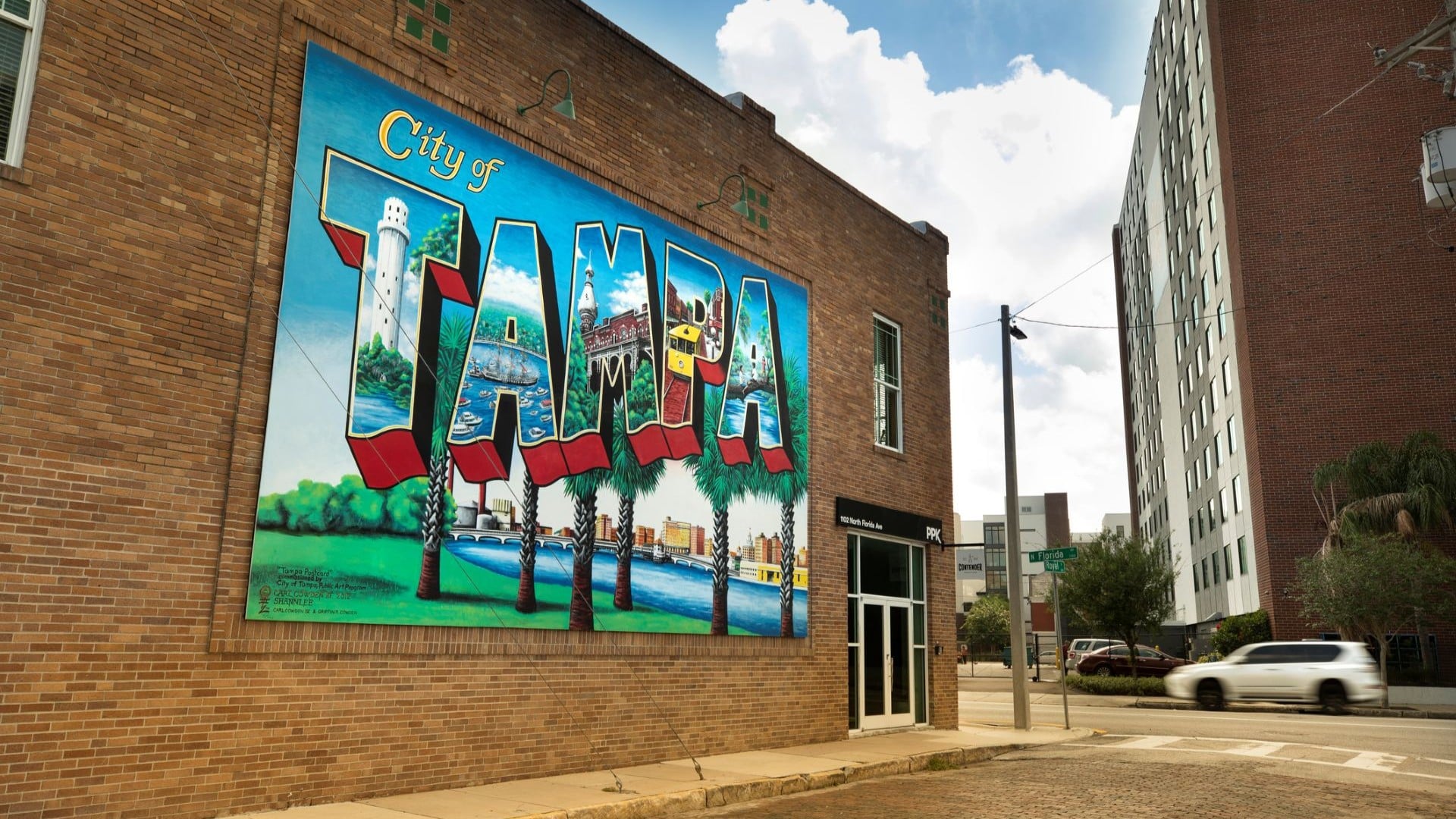
Dive into Tampa: A planner’s playground beyond the ballroom
Read more
Discover what to do in Tampa with corporate groups, from waterfront adventures and neighborhood tours to dining, culture, and private events.
Building balance in a burnout industry
Read more
It’s no secret: burnout runs rampant in our industry. But building work-life balance isn’t a mystery—it's a necessity. Here's how the Cohera team does it.
Ready for your one-of-a-kind experience?
Your inbox is starving. Feed it something good.
Sign up for our newsletter