
 Creative

Emotional mapping: the missing layer in event design
Map the feelings behind stronger event design, from arrival to departure, with a human-first approach.

There is a moment in almost every event when the room tells on you.
Maybe it happens when guests arrive and immediately know where to go, who to ask, and why they’re there. Beautiful. Gold star. Someone get that planner a latte.
Or maybe it happens when 400 attendees exit a general session at once, meet a bottleneck near the doors, lose the plot, and start staring at their phones like the reception is hiding somewhere inside Outlook.
That moment is not just a logistics issue, it’s an emotional design one.
Strong event design is not only about what guests see when they walk in. It is about what they feel, how they move, what they understand, and whether the experience helps them connect without making networking feel like mandatory group therapy with passed apps.
Enter: emotional mapping.
Start with the feeling
Emotional mapping is the process of deciding what attendees should feel throughout an event before the room design, programming, signage, lighting, seating, or transitions get locked in.
Not after the floral proposal arrives, and not once the run-of-show is already 19 tabs deep. Do it immediately.
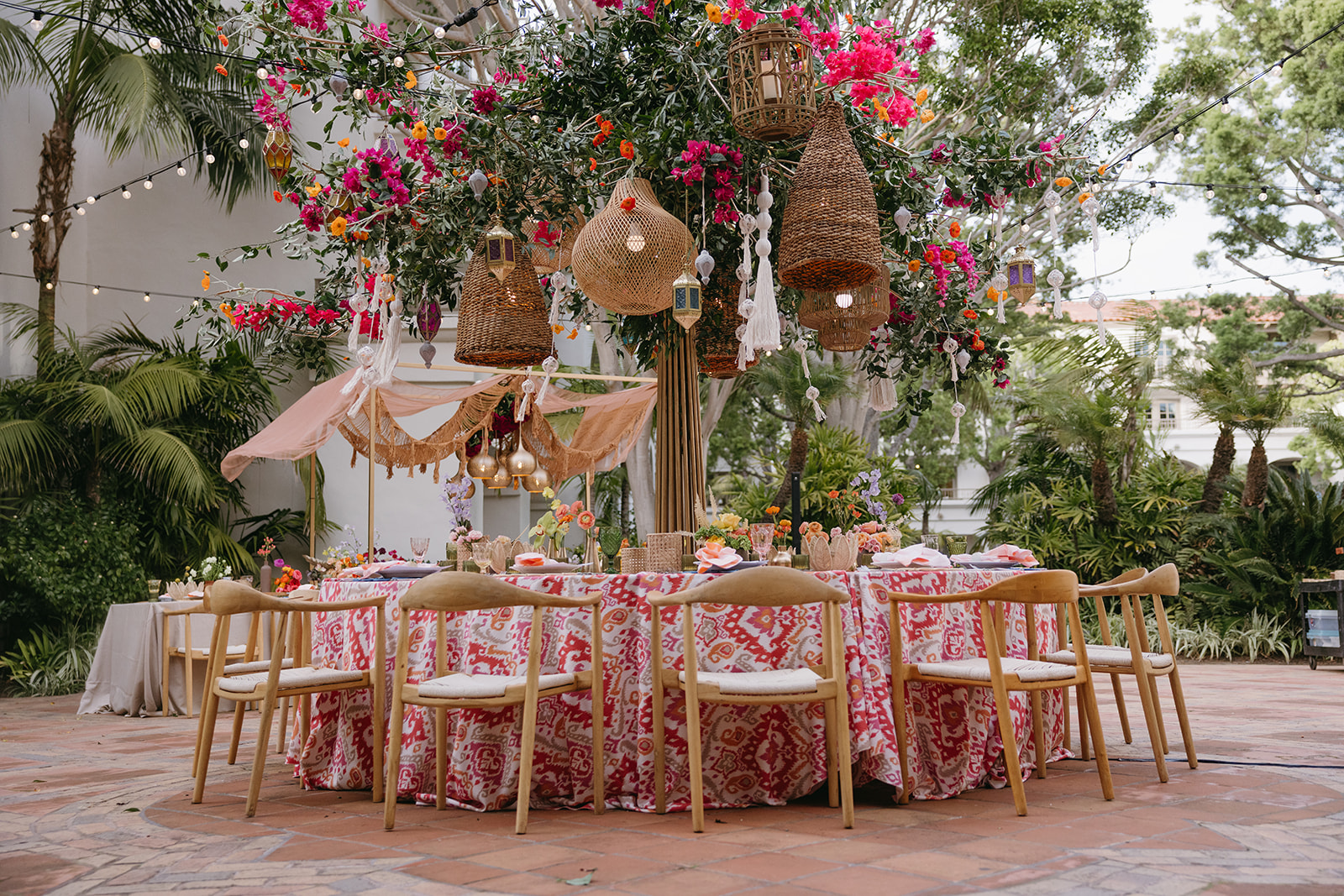
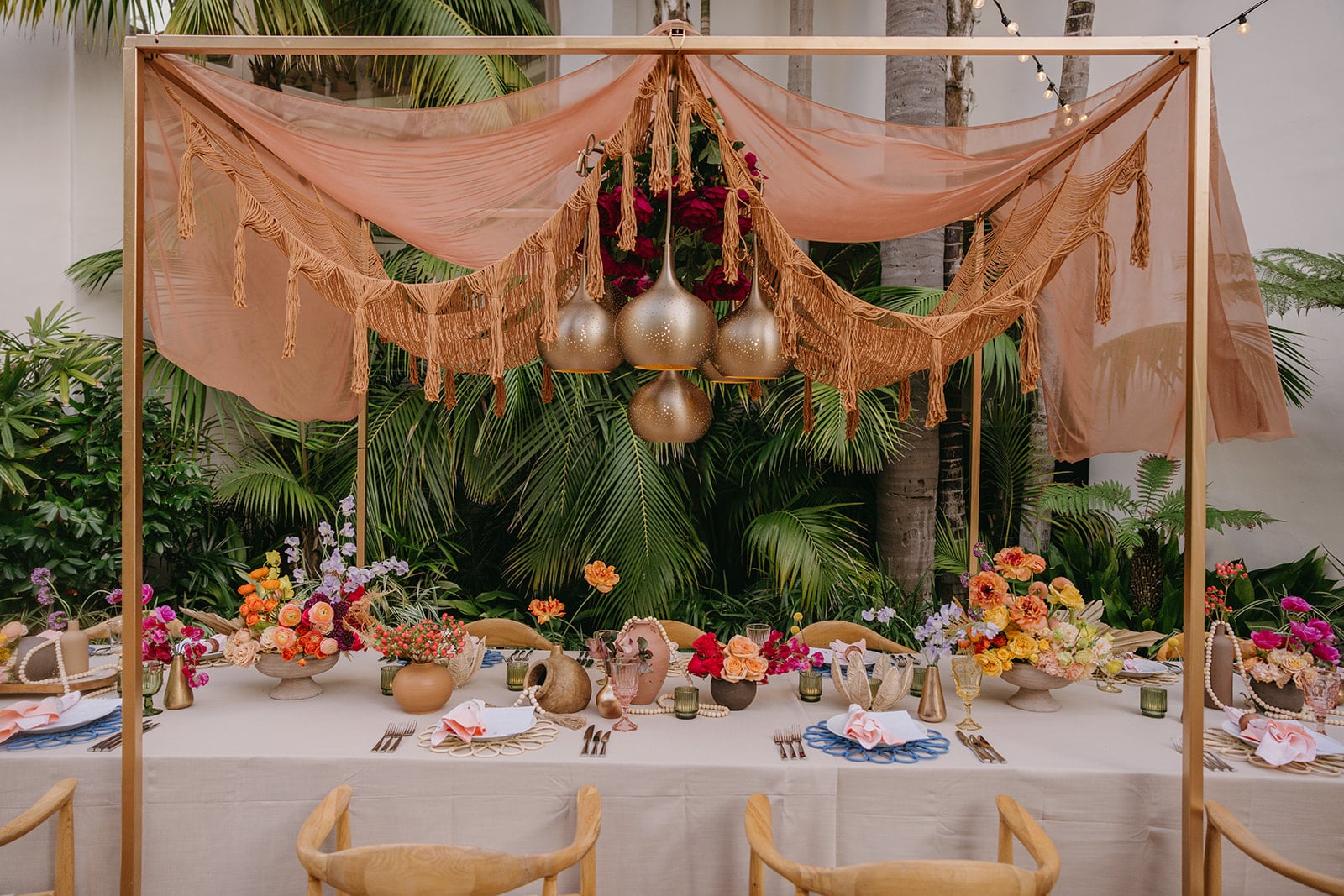
Moroccan Mare, curated and executed by Yolanda Gonzalez, Design and Development Manager, Orange County
Before a team starts choosing linens, building agendas, or debating whether the lounge moment needs a third accent chair, emotional mapping asks the better question: What should this experience do to people?
Should guests feel welcomed when they arrive? Oriented instead of overwhelmed? Energized before a session? Open to conversation during a reception? Proud, seen, and celebrated at the close?
Once the emotional arc is clear, every design and logistics decision has a job. Nothing just “looks nice.” It supports a feeling, a behavior, or a business objective.
Design through the guest’s eyes
Events often get built from the top down: schedule, speakers, production needs, meal counts, transportation, signage, staff call times, and the tiny circus of details that somehow all need answers by Tuesday.
Emotional mapping flips the view.
Instead of starting with what the planner needs to execute, it starts with what the attendee needs to experience. Where are they coming from? Are they walking in after a flight delay, a full inbox, and a rideshare driver who believes stop signs are decorative? Do they need clarity? Warmth? A reason to look up from their phone?
The arrival should feel easy, generous, and calm. Guests should know where they are, where they’re headed, and what kind of event they just stepped into. That can come through a friendly greeting, a check-in flow that doesn’t feel like airport security, clear directional cues, the right music level, lighting that flatters actual humans, and staff who look ready to help rather than mildly surprised people showed up.
Those first few minutes carry more weight than we sometimes admit. People can feel the difference between being welcomed and being processed.
Transitions deserve better PR
Transitions are the middle children of event design. They do a ton of work, rarely get enough credit, and can absolutely make things weird if ignored.
Moving from a keynote to a reception should feel natural, not like guests have been released into a hotel corridor scavenger hunt. A good transition protects the energy of the moment before it and sets up the moment that follows.
That might mean adjusting the music before doors open, changing the lighting to signal a shift, positioning staff where guests naturally hesitate, or giving people a small moment of choice before the next programmed experience begins. It might mean slowing the pace on purpose so people can actually absorb what they just heard.
Every transition asks: What are guests feeling right now, and what do we need them ready for next?
When that question gets skipped, the event may still function. People will find the ballroom eventually. They will probably locate the bar. But friction starts stacking up quietly, and by the end of the night, the experience feels more draining than it needed to.
Friction is sneaky
Emotional mapping helps reduce the tiny irritants that pull people out of the moment. Those moments can appear as confusing signage, too little seating, or no obvious place to pause. It’s a reception layout that makes conversation feel like bumper cars with name badges, or a wellness room hidden so well it may as well be in another zip code.
Guests may not always say, “This event lacked emotional intention,” thankfully. But they will say they felt tired, lost, rushed, ignored, or disconnected.
The fix usually lives in thoughtful planning, such as clearer wayfinding that removes guesswork, better pacing that prevents guests from feeling rushed, a mix of seating styles that supports different comfort levels, and spaces where people can pause, reset, and rejoin when they’re ready. Staff who understand the tone of the event, not just the timeline. Accessibility planned early, not patched in later. Room layouts that let people join, observe, move, or breathe without feeling like they’re doing it wrong.
In other words, design for humans. Real ones. The ones wearing heels they regret, juggling Slack notifications, and trying to remember if they met that sponsor in Scottsdale or Orlando.
The venue should know the assignment
Physical design still matters, of course. Flow, lighting, seating, signage, sound, scent, texture, and room layout all shape how a space feels within seconds.
But emotional mapping gives those choices direction.
If the goal is focus, the room may need cleaner sightlines, fewer distractions, and seating that supports attention. If the goal is connection, the layout should make conversation easy without forcing strangers into awkward semi-circles of doom. If the goal is celebration, the pacing, lighting, and sound need to build toward release.
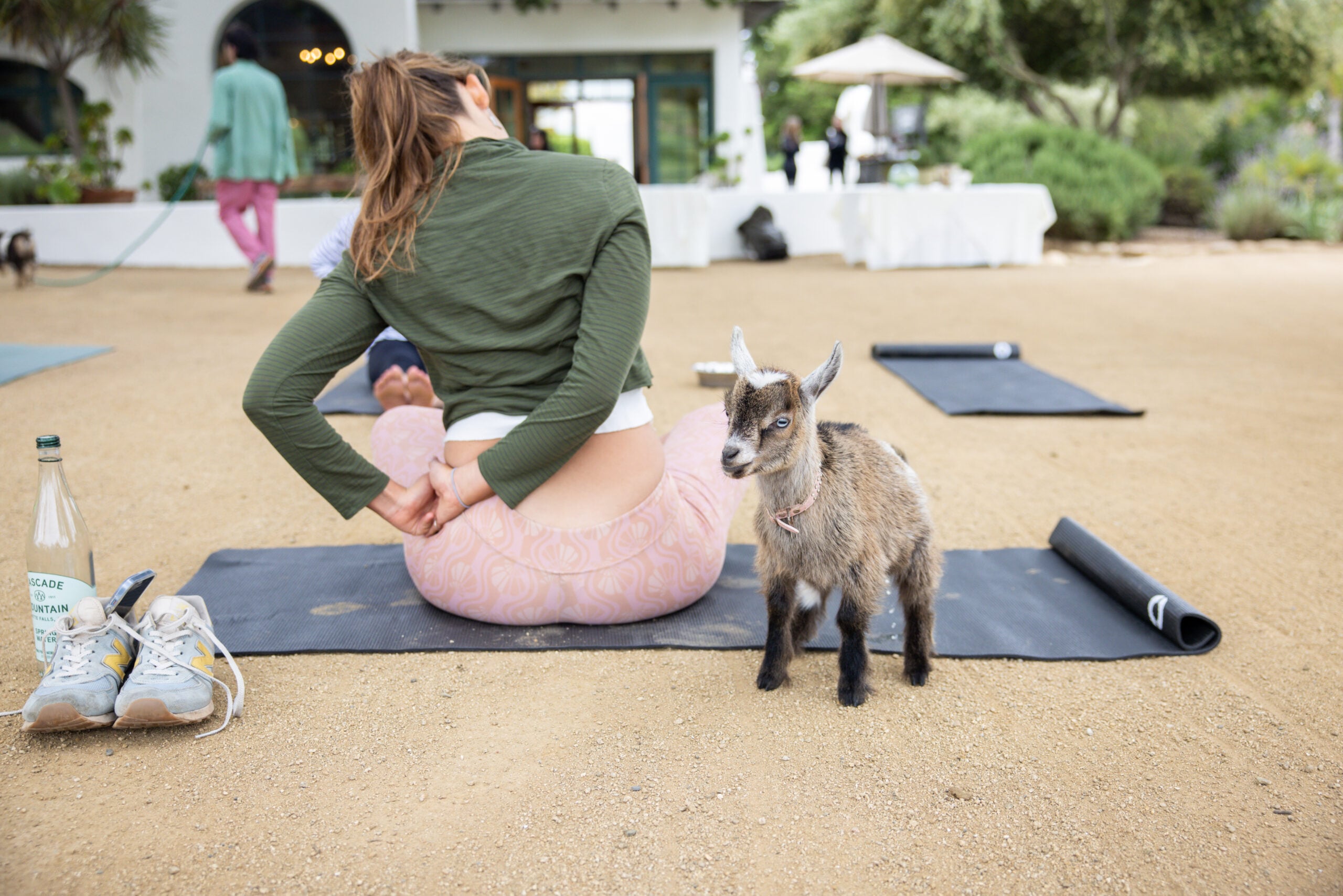
Outdoor events show this beautifully. Natural light, open space, ambient sound, and room to wander can change how people interact. Guests often move differently outside. They explore more. They linger longer. They feel less boxed into the agenda. That freedom works best when the event is designed around it, not when an indoor format gets dragged onto a lawn and asked to behave.
If the goal is celebration, the pacing, lighting, and sound need to build toward release. Outdoor events show this beautifully. Natural light, open space, ambient sound, and room to wander can change how people interact.

Presence is having a moment
One of the most interesting shifts in event design right now is the rise of intentionally phone-free experiences.
When guests are encouraged to put devices away, the whole goal changes. The experience becomes less about documenting the moment and more about being in it. Lovely idea. Also slightly terrifying if the room has not been designed to hold people’s attention without a screen-shaped escape hatch.
A phone-free event asks more of everything: pacing, conversation prompts, staff energy, room flow, entertainment, and spaces for guests to connect without feeling exposed. The experience has to give people something better than scrolling.
That does not mean adding more noise, more programming, or more “surprise and delight” until everyone needs a nap. It means understanding what attendees may feel without their usual social crutch, then designing moments that help them settle in, look around, and participate on their own terms.
Experience beats decoration
Skipping the emotional layer does not always lead to disaster. Sometimes the event still looks beautiful. The food comes out hot, the band starts on time, and the transportation grid behaves itself (which deserves its own tiny parade).
But without emotional mapping, even a well-run event can feel transactional. Guests may admire the room without feeling connected to it. They may remember the centerpiece and forget the reason they came.
The best events stay with people because something real happened. They felt welcomed. They trusted the room. They met someone worth knowing. They had space to think. They celebrated a win and believed it mattered.

That kind of connection does not happen because someone selected a pretty palette. It happens because the team decided what the experience needed to make people feel, then built around that decision with discipline.
Cohera’s work sits right in that sweet spot: creative agency thinking, destination expertise, production muscle, and a long history of helping companies connect in ways people actually talk about later. Because the future of event design is not about chasing every shiny new thing, it is about using the right ideas, tools, spaces, and details to make people feel more present, more connected, and more willing to lean in.
Ready to map the emotional arc of your next event before anyone starts debating chair styles? Connect with Cohera and let’s design the moments your attendees will actually feel.
Browse our blog
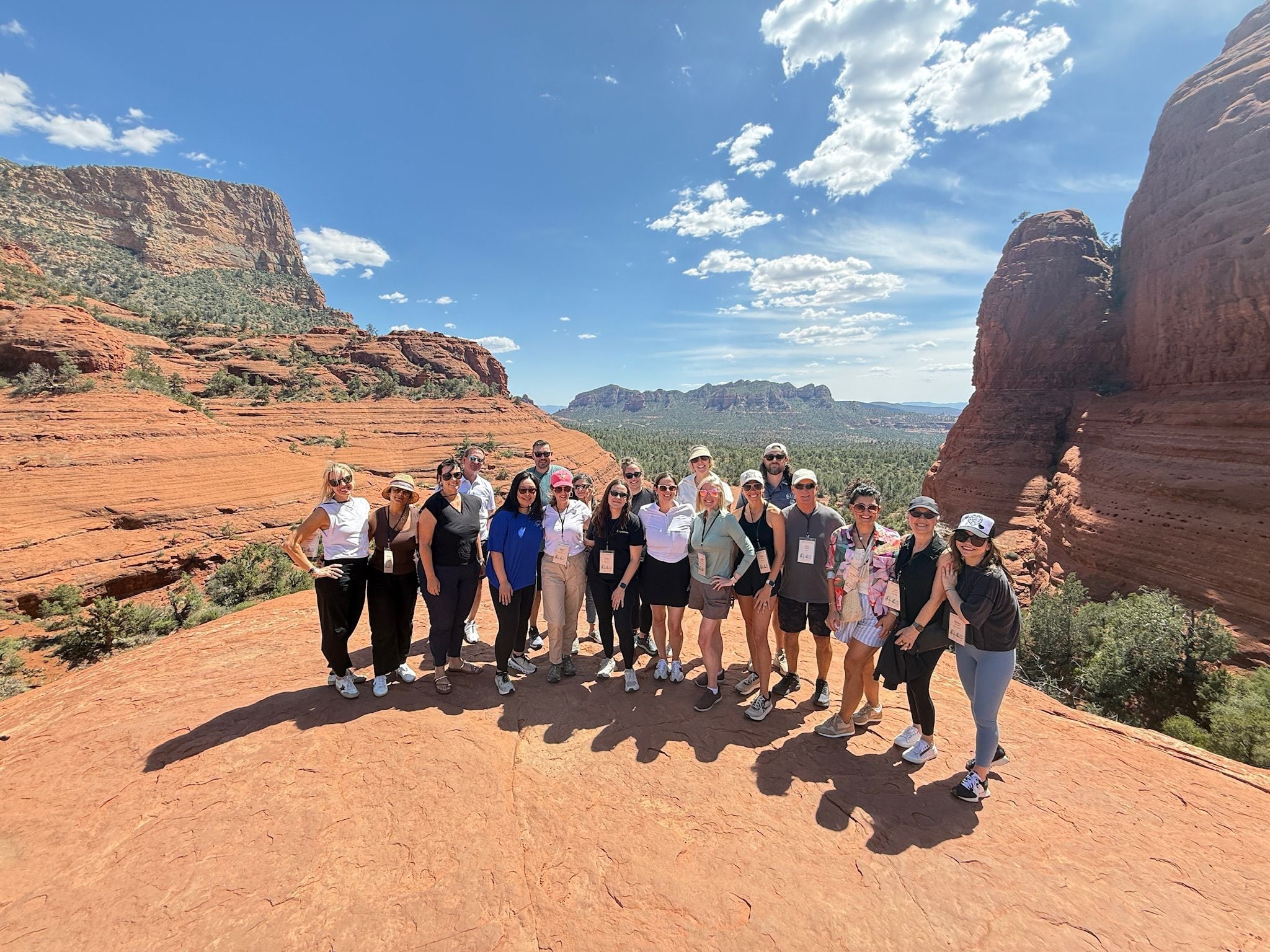
Designing for corporate event planners, AKA the hardest room to impress
Read more
Planning a corporate event for corporate event planners? That's our favorite kind of challenge. Here's what it takes to impress the hardest room there is.
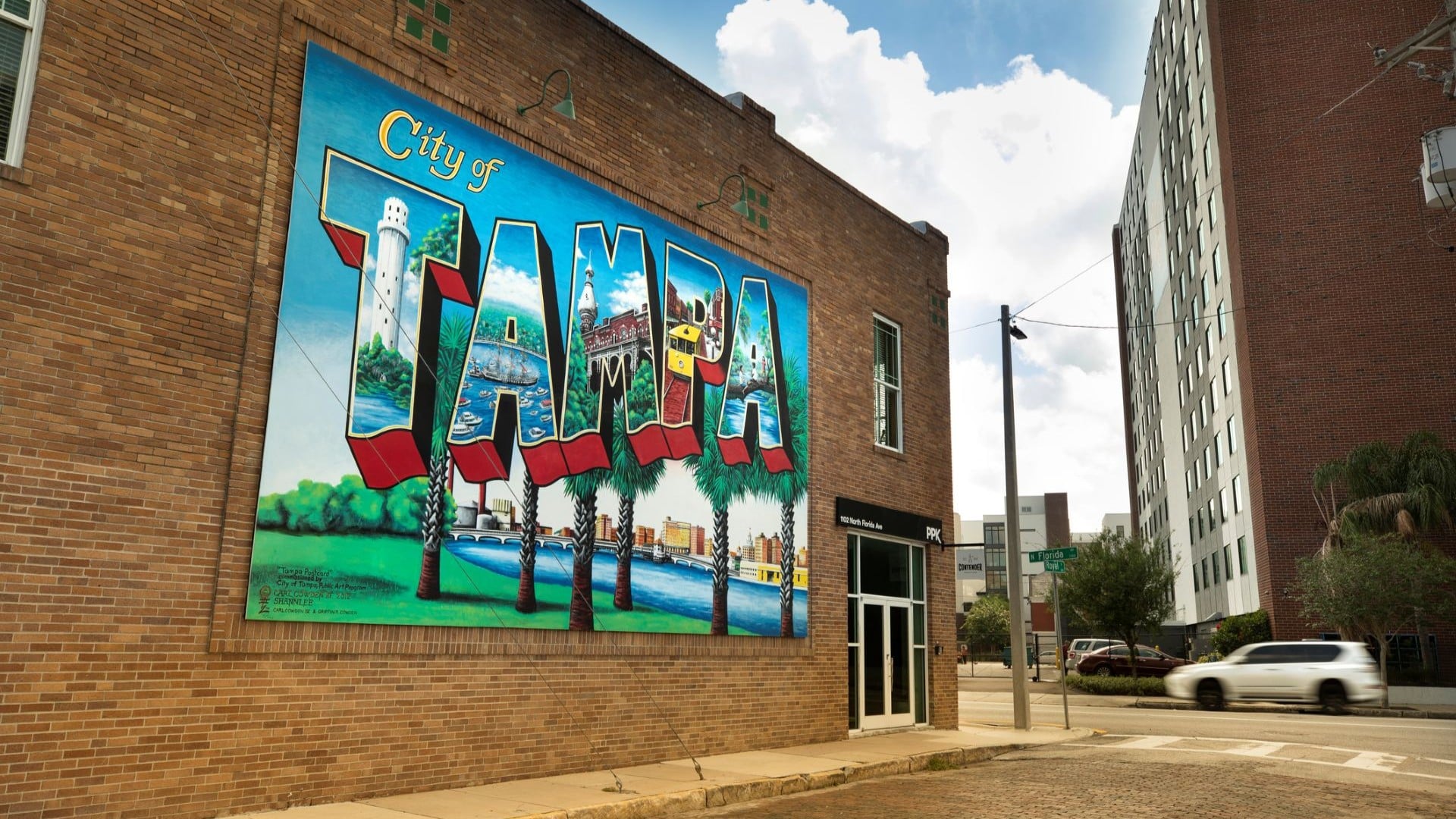
Dive into Tampa: A planner’s playground beyond the ballroom
Read more
Discover what to do in Tampa with corporate groups, from waterfront adventures and neighborhood tours to dining, culture, and private events.
Building balance in a burnout industry
Read more
It’s no secret: burnout runs rampant in our industry. But building work-life balance isn’t a mystery—it's a necessity. Here's how the Cohera team does it.
Ready for your one-of-a-kind experience?
Your inbox is starving. Feed it something good.
Sign up for our newsletter