
 Creative

Sustainable florals that still bring the drama
Sustainable floral design ideas for planners who want thoughtful design, smarter sourcing, and less waste.
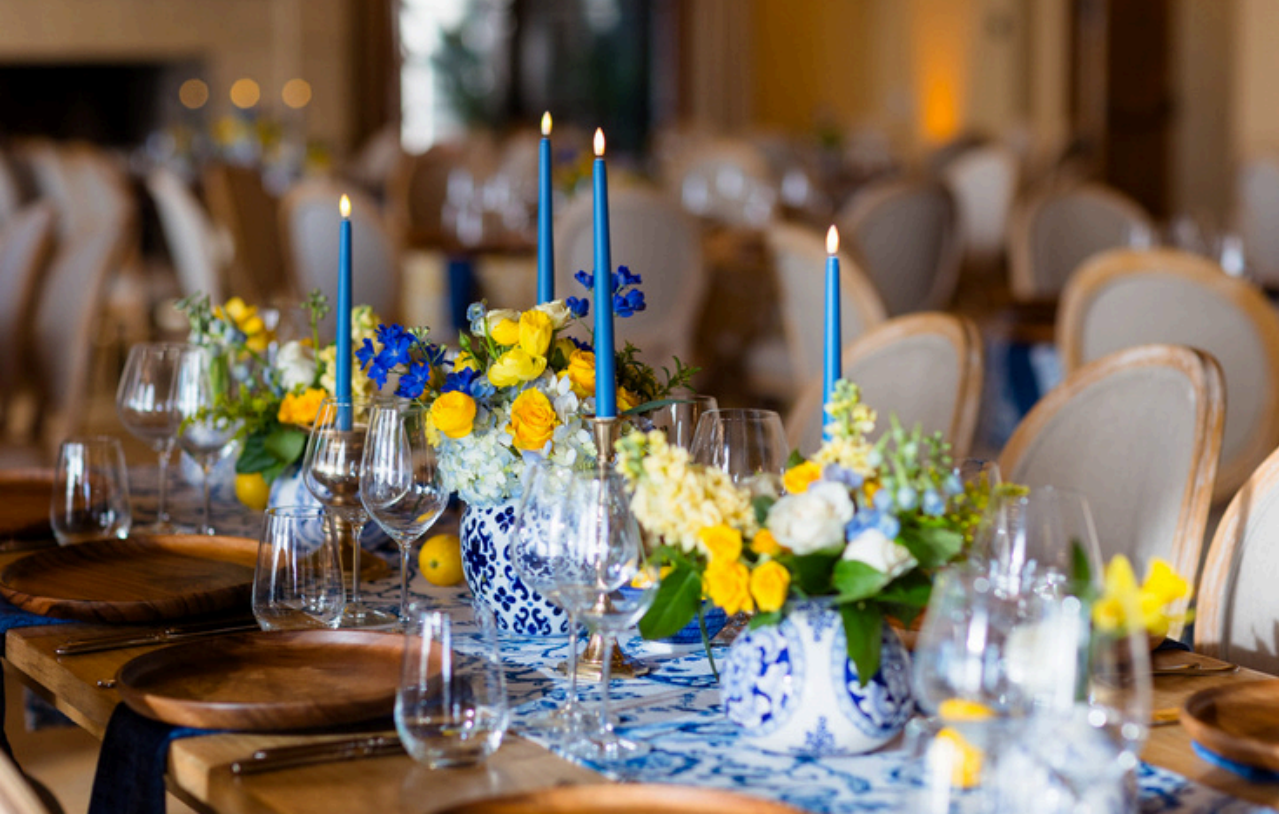
There’s a certain panic that can set in when someone says, “Let’s make the florals more sustainable,” and the room immediately pictures three stems in a bud vase and a whole lot of compromise. Thankfully, that’s not how this works.
Great floral design can be thoughtful, resource-conscious, and still have presence. It can set a mood, carry a theme, and make a room feel like something’s actually happening. For planners, the shift is less about doing less and more about making smarter choices earlier. For florists, it means designing with the full life of the arrangement in mind, not just the first reveal.
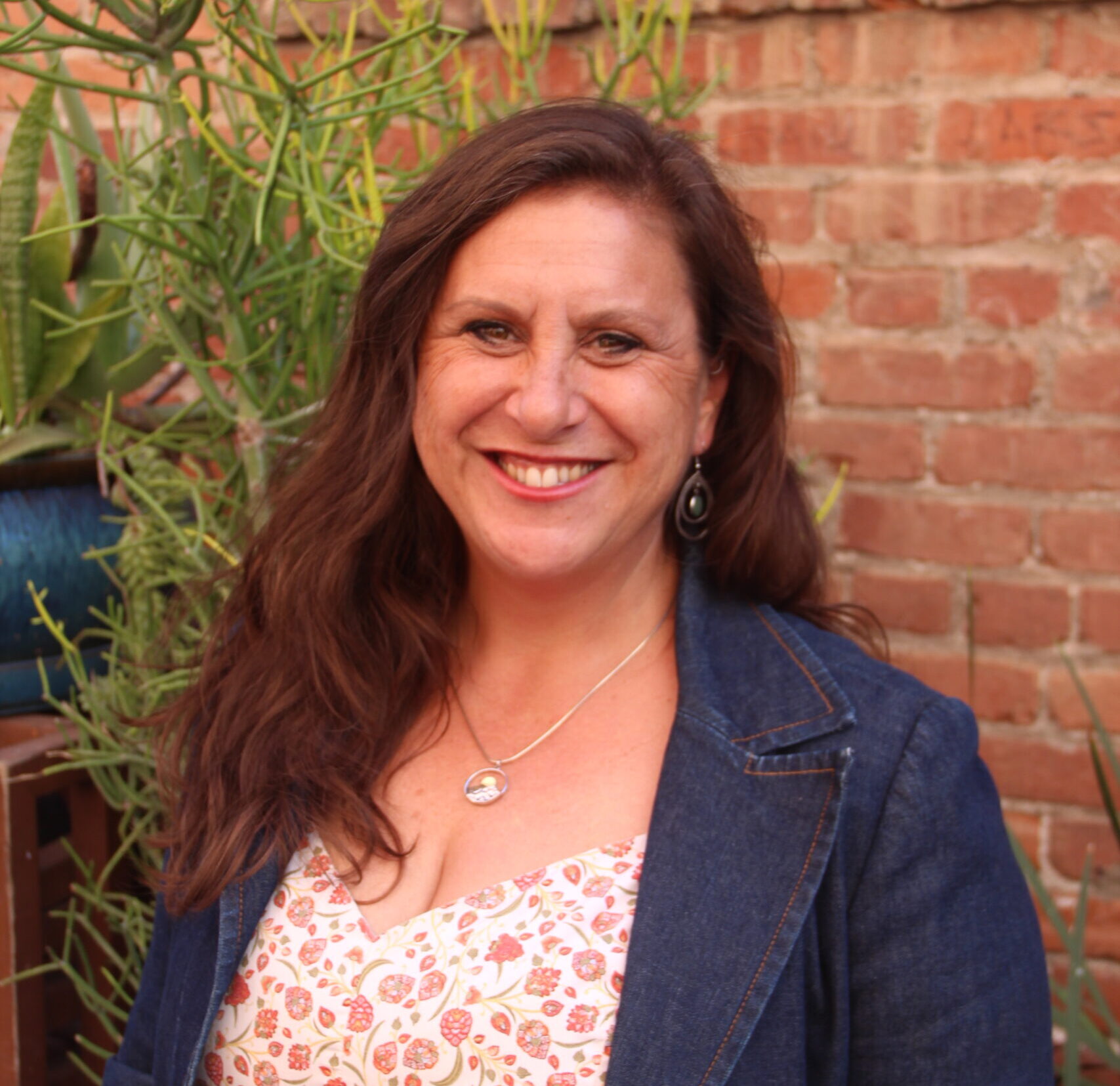
As a guest contributor and longtime floral partner in the event world, I’m pleased to share my perspective on how planners can make smarter floral choices without sacrificing style, scale, or the guest experience.
Start with the brief
If you want to make more responsible floral choices, start by getting clear on the event itself.
Once the vision is locked, your floral partner can guide the conversation toward what is seasonal, what can be reused, what can be achieved with a mix of floral and non-floral elements, and what is likely to hold up beautifully across the program.
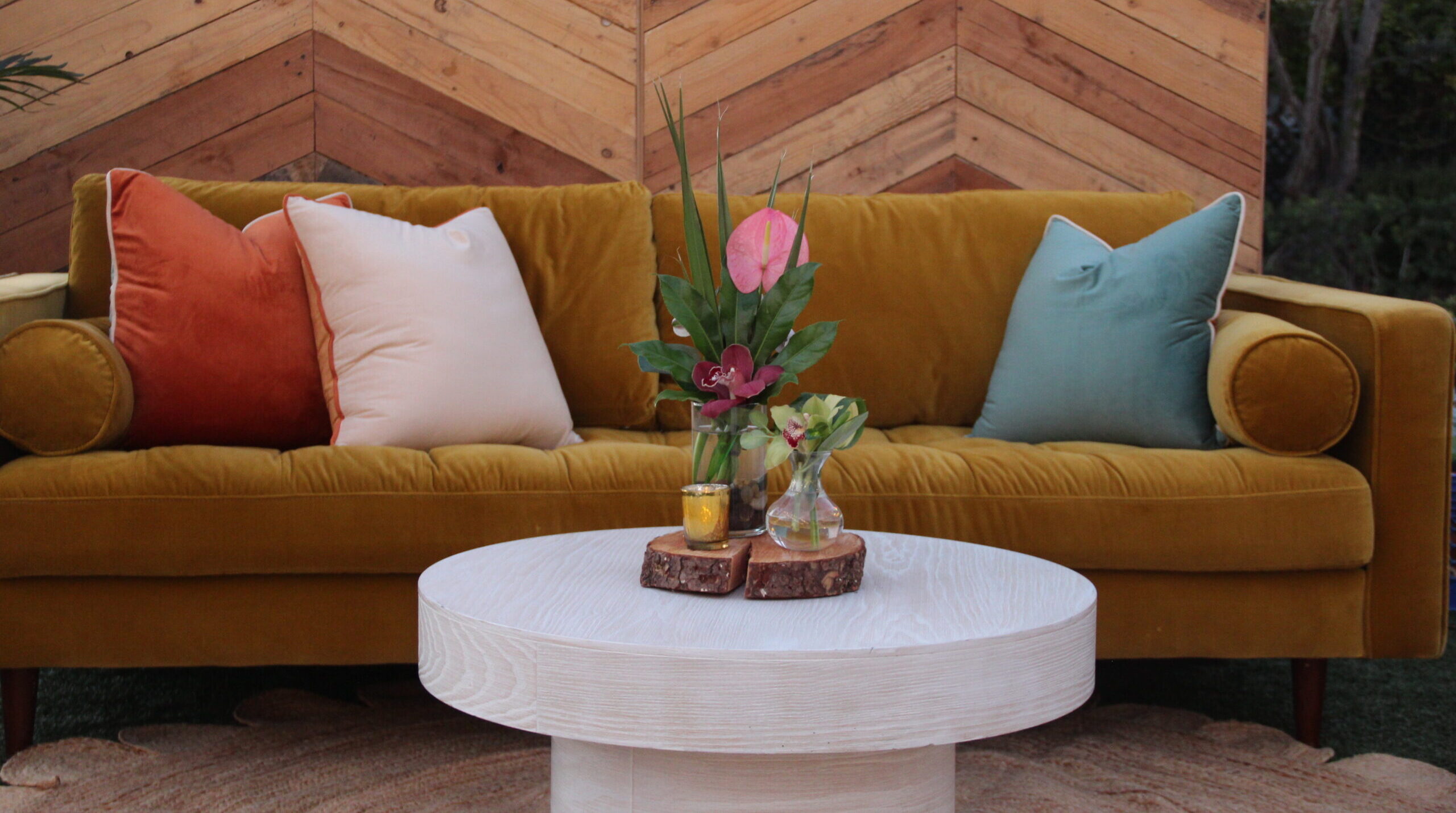
That might mean beginning with company colors. It might mean leaning into the destination. That could mean drawing from a beach, desert, mountain, winery, or global city setting. Any of those can become a strong starting point. It might also mean building from the event concept itself, whether that’s a spring-forward “super bloom,” a summer barbecue feel, or a gala that needs a little restraint and a lot of confidence.
It may sound simple, but that foundation matters. Clear direction gives your floral team room to be strategic instead of reactive, and that tends to lead to better sourcing, better design choices, and fewer last-minute heartbreaks.
Know what you’re really asking for
Florals are not manufactured on demand. They’re grown, harvested, shipped, and affected by weather, timing, labor, and market availability. That seems obvious until someone builds an entire concept around one flower that may or may not cooperate.
A lavender-inspired design can still sing without literal lavender everywhere. A spring palette can capture the spirit of poppies without betting the whole farm on them.

One important consideration here is especially useful: be careful about hinging the whole design on a single bloom. Lavender, poppies, and bougainvillea are beautiful examples because they also come with strings attached. Some have short or inconsistent growing windows. Some do not travel well. Some are simply not realistic as fresh-cut event florals in the way people imagine.
That does not mean the concept is dead. It means the concept needs a more flexible interpretation. A lavender-inspired design can still sing without literal lavender everywhere. A spring palette can capture the spirit of poppies without betting the whole farm on them. Bougainvillea can be interpreted through a thoughtful mix of faux elements, fresh greens, and complementary blooms that give you the same energy without the wilting drama.
This is where trusting your floral partner matters. The goal is not to copy an inspo image bloom for bloom. The goal is to deliver the right texture, color story, and mood with the best materials available at that moment.
Reuse without looking repetitive
Reuse is having a well-deserved moment in event design, and not just because budgets and sustainability goals are getting more scrutiny. When done well, repurposing florals is simply smart.

I find that reuse works best when it is planned from the start. If the floral team knows during bidding that arrangements need to carry into the next day, like breakfast or a second-day reception, they can recommend sturdier vessels, hardier blooms, and designs built to last.
Logistics matter here more than people think. Who is moving the arrangements? Where are they stored in between uses? Are they sitting in a cool room, an air-conditioned ballroom, or somewhere less forgiving? Sometimes the difference between “What a clever reuse strategy” and “Why does that centerpiece look exhausted?” comes down to handling and environment.
And if you want each moment to feel different, you do not always need new florals; you need new context. Swapping the linens, shifting the lighting, and changing the tabletop styling can completely change how the same arrangement reads. Add shells, driftwood, candles, fruit, lanterns, or textured vessels. The same base arrangement can give coastal at lunch and far more formal by dinner if the supporting cast changes around it. That’s good design, not smoke and mirrors.
Use less floral when it makes sense

There is also freedom in not forcing flowers to do every job.
Plant-based designs, dried materials, lanterns, candles, and strong vessel choices are ways to build impact without relying on massive fresh floral volume. Succulents get plenty of attention, but they are hardly the only option. Many living plants work beautifully in centerpieces and can continue to grow after the event ends.
That kind of approach can be especially effective for planners who want the room to feel intentional and layered, not overloaded. It also opens the door to designs that feel fresh and considered.
And yes, mood boards still help. They are useful for defining tone, color, and feeling. The caution is in treating them as a direction rather than a legally binding floral contract. A strong florist can translate the essence of a board while adjusting for what the market is actually offering.
Give the flowers a second life
One of the easiest ways to extend the value of florals is to think about where they go after the event wraps.
Our team often donates arrangements to nonprofits, neighbors, and community members who could use a little brightness. We are also open to client-directed donations, provided there is enough planning to make the handoff practical.
Sustainable floral design is not just about the blooms. It also involves vases, liners, and packing materials. In many cases, if a client would like to donate the flowers, our team can plan for an alternative delivery method, such as providing arrangements as loose florals or in a format that allows them to be easily distributed without a vase.
This allows us to continue offering our vases on a rental basis, helping avoid unnecessary waste while keeping costs lower. It requires a bit of coordination, but it keeps materials in use and ensures the flowers remain the main character.
The rule worth breaking

One floral myth I would love to retire is the idea that cut flowers are automatically irresponsible.
Flowers are a natural material. Cutting blooms does not kill the plant itself, and in many cases pruning supports future growth. The better question is not whether flowers should be used; it is whether they are being used thoughtfully. Are you respecting seasonality, building flexibility into the design, and reusing what you can? Are you composting or donating where possible? Are your choices grounded in both the event vision and the realities of nature? These are much more useful standards.
Flowers are a natural material. Cutting blooms does not kill the plant itself, and in many cases pruning supports future growth. The better question is not whether flowers should be used; it is whether they are being used thoughtfully.

Sustainable florals are not about scaling back the experience. They are about designing with intention, asking better questions early, planning more thoughtfully, and working with partners who know how to balance beauty, practicality, and responsible choices. When that happens, the result is still the same kind of room reveal every planner wants: one that catches guests’ attention the moment they walk in.
If sustainability is part of the conversation, not just for florals but across the full event experience, check out Cohera’s take on sustainable corporate events. It’s packed with practical ways to make responsible choices without minimizing the guest experience.
Browse our blog
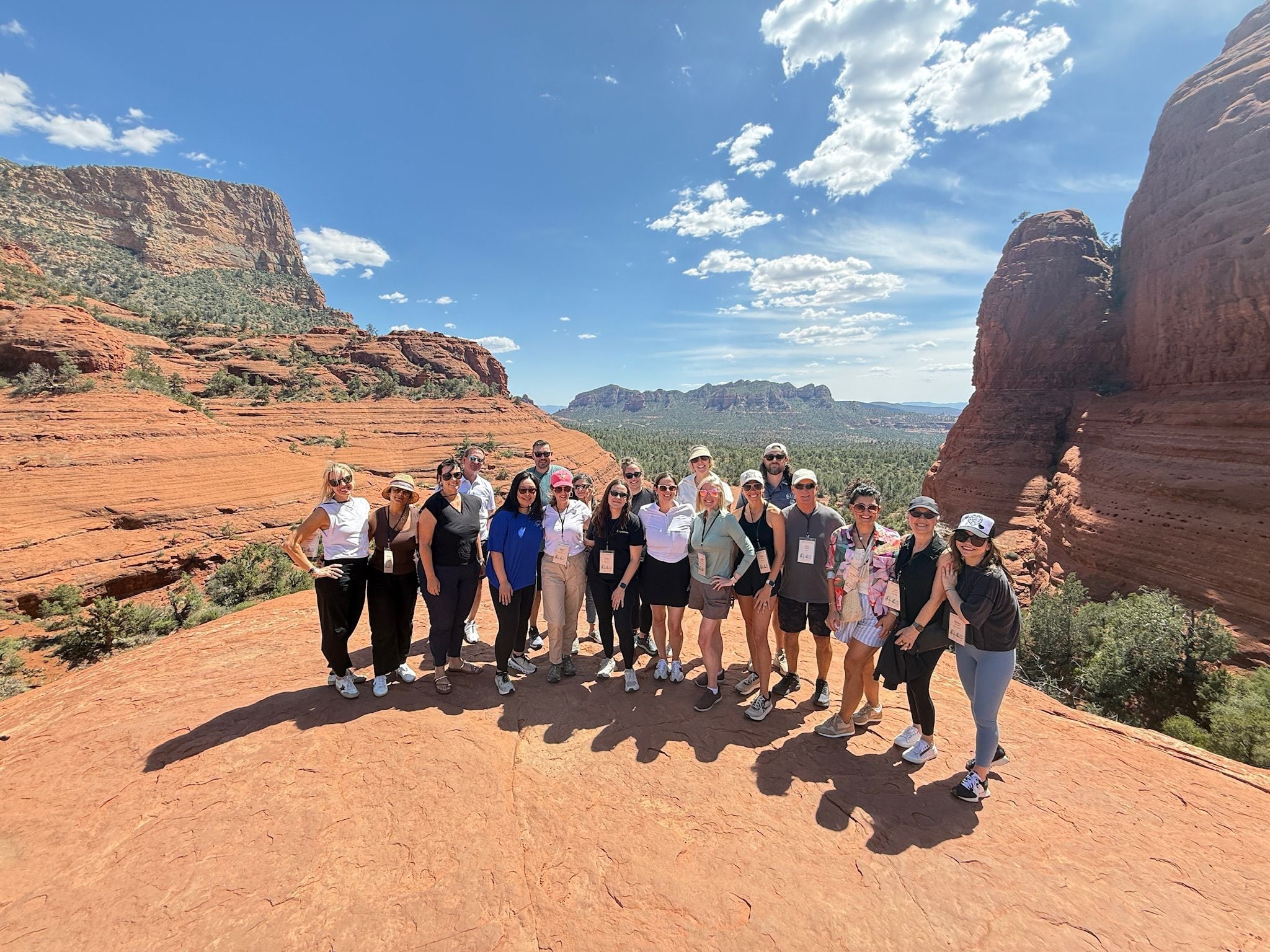
Designing for corporate event planners, AKA the hardest room to impress
Read more
Planning a corporate event for corporate event planners? That's our favorite kind of challenge. Here's what it takes to impress the hardest room there is.
Dive into Tampa: A planner’s playground beyond the ballroom
Read more
Discover what to do in Tampa with corporate groups, from waterfront adventures and neighborhood tours to dining, culture, and private events.
Building balance in a burnout industry
Read more
It’s no secret: burnout runs rampant in our industry. But building work-life balance isn’t a mystery—it's a necessity. Here's how the Cohera team does it.
Ready for your one-of-a-kind experience?
Your inbox is starving. Feed it something good.
Sign up for our newsletter