
 Creative

New year, old-school habits: timeless tricks that actually stick
Resolve to keep it classic this year with these old-school event planning habits.


We’ve all been there—it’s the first week of January, you’re cracking open your brand-new color-coded planner system, convinced this is the year you’ll finally get your act together. But by spring, you’re fishing sticky notes out of the depths of your bag while your pristine wall calendar mocks you from across the room.
Here’s the thing about event planners: we’re not built for fluffy promises and unattainable goals. We’re made for experiences that stick and moments that matter. So why not apply that same philosophy to self-improvement? While an annual resolution sets you up for a year of letting yourself down, it only takes about two months for a behavior to become a habit. Commit to adopting these tricks, and within sixty days, you’ll be well on your way to a better you. Oh, and put away that Visa gift card you got for the holidays! No fancy high-tech gadgets here. These are the old-school habits I actually stick with; the ones that have quietly made my work (and life) feel more manageable, more intentional, and a lot more human.
The back-to-basics habits that set the foundation
These habits aren’t about nostalgia. They create clarity, cut through friction, and leave more room for thoughtful decision-making.
1. Using a paper planner
After staring at meeting room manifests for hours, you are going to love crossing that task off your to-do list! The little dopamine boost just hits different when it’s analogue vs digital. Plus, experts say that writing things by hand significantly helps you remember them better than typing or listening alone.
2. Picking up the phone
We all love the “this could have been an email” memes, but if we’re being honest, texting or emailing can leave a lot to interpretation or, worse yet, misinterpretation. Instead of cluttering your inbox or missing the mark, pick up the phone and take a couple of minutes to discuss notes that are passed along to you by a colleague, partner, or client. By addressing concerns quickly and directly, you can resolve many issues throughout the planning process. Struggling with what to say? Start with, “I saw your email and wanted to see if we can chat through your points to ensure we have a clear direction on your vision. Got a minute?”
3. Taking the time to write a note
Ah, yes, snail mail. In these days of instant gratification and endless digital communication, receiving a paper note or letter carries even more weight. Imagine your client’s face when they get a birthday card or “just because” note in the mail from you. Not only does it demonstrate that you were purposeful, thoughtful, and proactive, but it also shows that cheering them up, thanking them, or wishing them well is worth the time it took away from your day. After sending cards to my clients, I always get a call, text, or email thanking me for thinking of them. Several times, it has even prompted them to send me a new program lead. Intentionally maintaining your connections and communication is well worth the card, ink, and stamp!
Still need a digital option? There’s a smart alternative. Each year, I sign up for an annual subscription to Punchbowl. This service lets you send cards throughout the year quickly and easily. You can choose the send date in advance, then set aside time each month to create the digital cards you need and schedule them accordingly.
When planners have clarity behind the scenes, it shows up in the experience itself. Less scrambling. Fewer last-minute pivots. More space to focus on what guests actually remember.
4. Following up with a written recap
After a call or in-person conversation, take two minutes to jot down key takeaways and next steps. Not everything needs a formal recap email, but capturing details while they’re fresh prevents confusion later and keeps everyone aligned. Clear notes turn good conversations into actionable progress and save time down the line. (And yes, this old-school habit has a modern assist! An AI notetaking tool can speed things up, as long as you take a minute to make sure the final version feels clear, thoughtful, and client-ready.)
How this same mindset shows up on-site
What I’ve learned over the years is this: the way we work shows up in the work we produce. Habits like clear communication, thoughtful follow-ups, and planning ahead create the space to focus on experience, not just execution. When the behind-the-scenes work is grounded and intentional, the on-site moments have room to shine.
Engaging the five senses.
We have all been there before. Another gala, the same flow, the same details. When the logistics are sound and the plan is solid, the opportunity becomes refinement. This is where experience design can go deeper and more intentional. Instead of feeling deflated and frustrated, look back critically and ask, “Did I engage my guests through all five senses?” More than likely, you forgot one or two (or a few).
Long-term neurological memories are formed using all the senses. While engaging your guests through sight is our M.O., a full-spectrum experience also includes sensory elements they can touch, smell, taste, and hear.
- Touch: Think beyond “pretty tablecloths.” Décor should be an interactive playground with tactile elements that engage the mind. What linens are you using? Did you blend different textures? How about the entrance? Does it pull people in?
- Smell: Scent is most closely tied to memory, so the smell of your event needs to make sense to make a lasting impression. If your event is forest-themed, and your guests get whiffs of pool chlorine or the beach at low tide, you’ve missed the boat. Once you have your theme, select three notes that tie back to that idea, and then incorporate those scents through synthetic means, such as essential oils and aerosols, and organic methods, such as using pine boughs and oakmoss in your centerpieces.
- Taste: Don’t underestimate the impact of your food and beverage choices! Be playful–instead of trying to please everyone’s palates, immerse them in the setting. Trends have their place, just don’t get too caught up in the latest and greatest at the expense of consistency and direction. Culinary that doesn’t connect will leave a sour taste.
- Hearing: While hiring a trendy band or DJ for entertainment may feel like a must, ask yourself, does it make sense for the type of program you’re planning? Also, while piping in the hits might work during the main event, how does sound play a part in the entire event experience? What do guests hear as they walk in? For a forest theme, you could weave the sounds of crickets chirping, leaves rustling, or night birds calling upon entry to draw your guests in. Piquing your attendees’ curiosity never goes out of style.
When slowing down actually moves things faster.
The same principles that guide daily habits—planning ahead, clear communication, and thoughtful pacing—are what allow large-scale programs to run smoothly when it matters most. Sometimes, you can’t avoid the last-minute rush to an event’s finish line. However, there is value in taking a moment to breathe and plan.
Designing and delivering custom elements
When it comes to custom pieces, time changes everything. On one program, the planner engaged with us a full year out, which was a total dream. Once we landed on the theme for their main evening event, it was clear the locally available items wouldn’t meet the vision. That runway gave us the ability to plan a brand-new focal bar, and because the details were thoughtfully documented and talked through early, the final result landed exactly as intended and became the centerpiece of the event.
That same preparation mattered when it came time to execute. Installing an 18-foot bar outdoors with dozens of individual LED strips leaves very little room for error. Miss one strip and you’re starting over. With time to plan, rehearse, and coordinate, our production team was able to install it cleanly and confidently, rain call included. Without that prep, the outcome could have gone very differently.
Getting reacquainted with the venue
It’s happened to every planner at least once. You get a lead for a venue you’ve worked at before… just not recently. Floor plans evolve, restrictions shift, and teams change. Taking time to review updated specs and pick up the phone to reconnect helps clear the mental cobwebs and keeps surprises to a minimum before load-in begins.
Bringing the DMC in early
On another site visit, a client and hotel team had already mapped out the space a certain way. While reviewing the agenda and notes together, we realized a simple adjustment to how the room was divided would allow the AV team to set up once instead of twice. A small change, but one that saved time, reduced stress, and kept the program running smoothly. It’s a good reminder that bringing your DMC into the process early often leads to smarter setups and smoother execution overall.
Now we’re officially on the hunt for the cutest 2026 paper planner we can find. Sharpen your pencils or uncap a fresh pen, because this is the year we’re resolving to go back to basics. Because when the process is intentional, the experience follows. Next step: reach out to Cohera to put your new tools to use!
Browse our blog
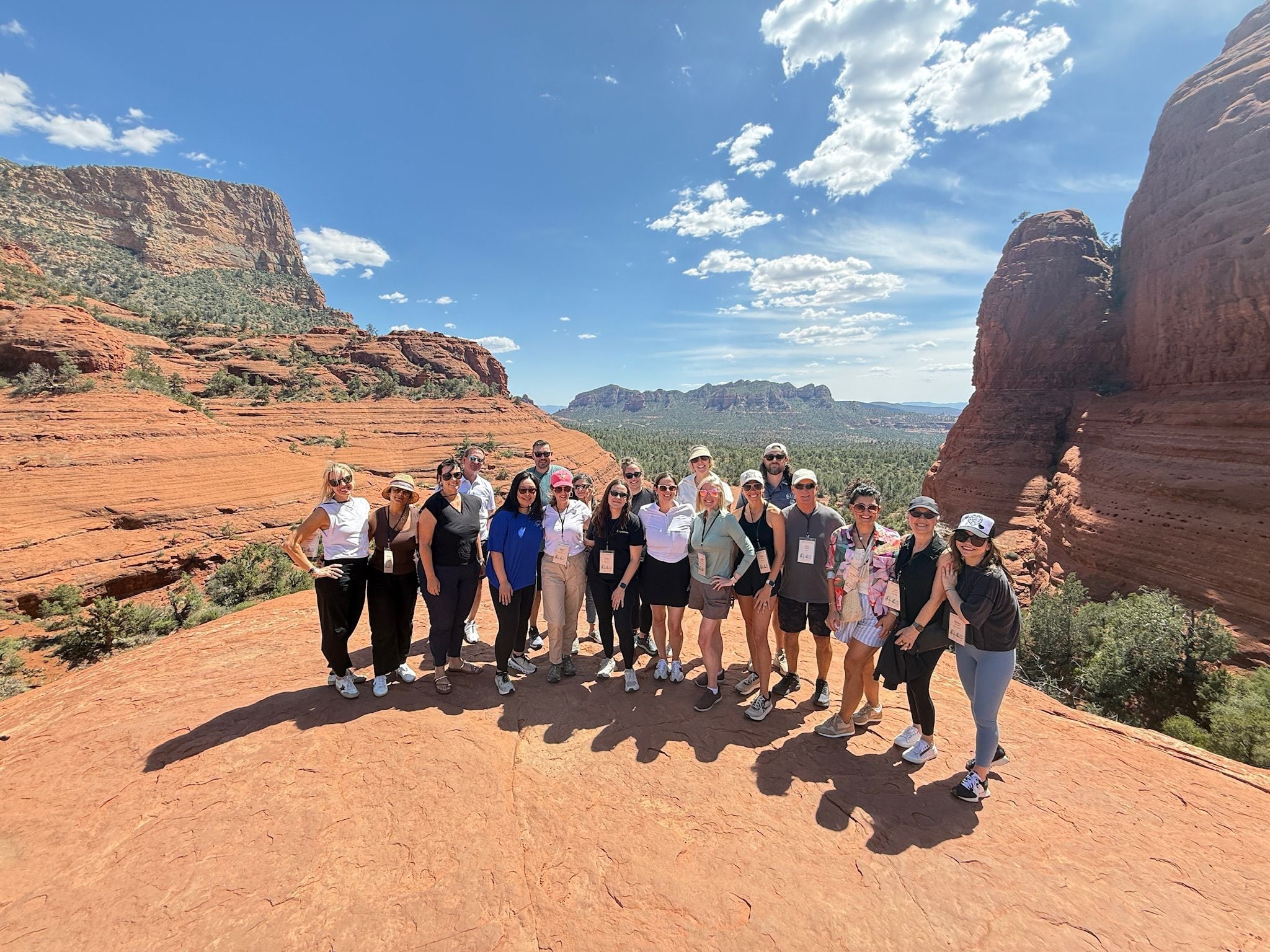
Designing for corporate event planners, AKA the hardest room to impress
Read more
Planning a corporate event for corporate event planners? That's our favorite kind of challenge. Here's what it takes to impress the hardest room there is.
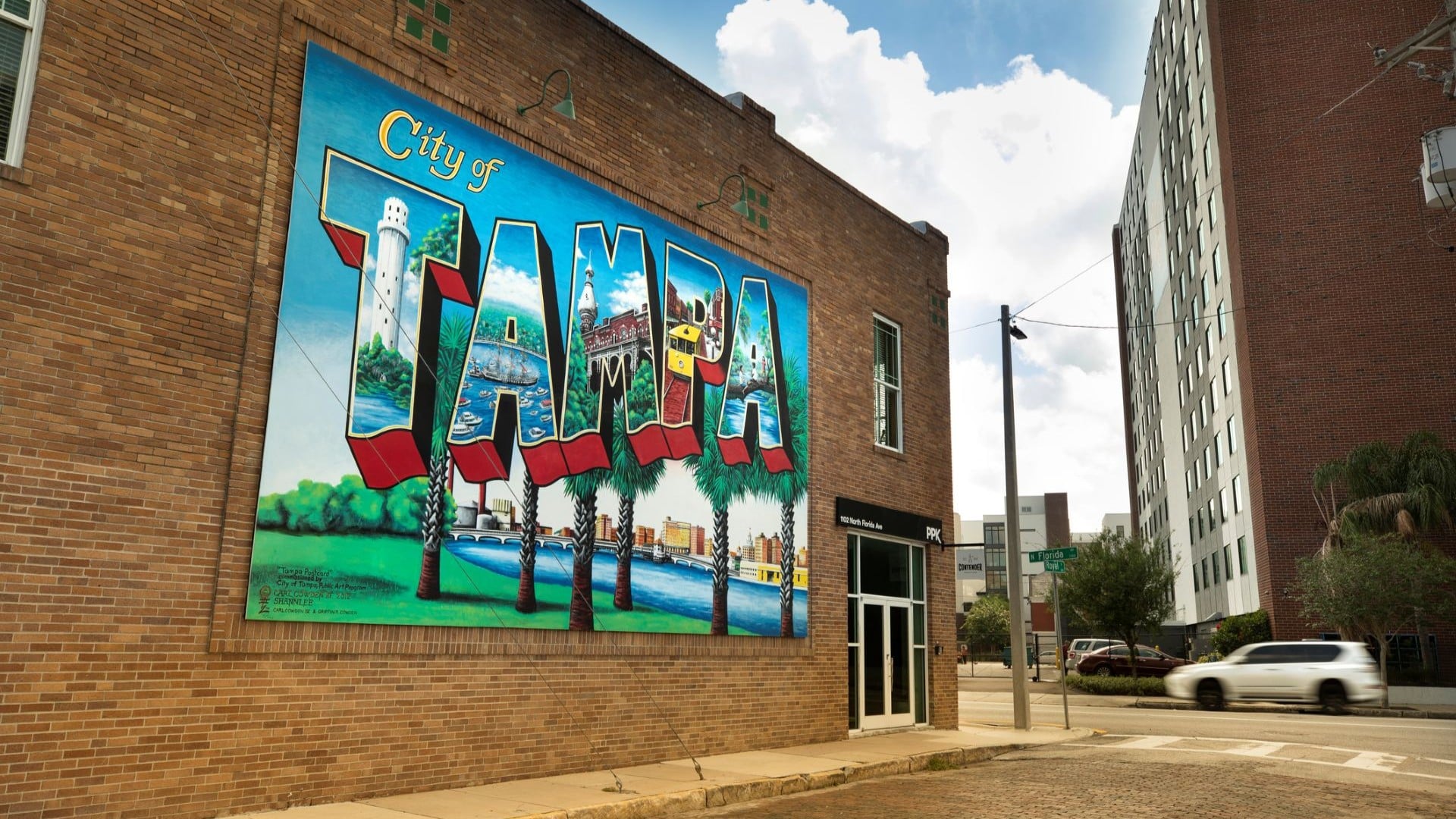
Dive into Tampa: A planner’s playground beyond the ballroom
Read more
Discover what to do in Tampa with corporate groups, from waterfront adventures and neighborhood tours to dining, culture, and private events.

Building balance in a burnout industry
Read more
It’s no secret: burnout runs rampant in our industry. But building work-life balance isn’t a mystery—it's a necessity. Here's how the Cohera team does it.
Ready for your one-of-a-kind experience?
Your inbox is starving. Feed it something good.
Sign up for our newsletter