Change happens. Here’s how to lead through it like a pro.
How to lead teams through change with clarity, empathy, and strategy


Change in our industry? It’s basically a Tuesday.
And yet, even the most seasoned event profs and leaders will tell you: some changes hit differently. Mergers. Rebrands. Global pandemics. New platforms that somehow make your job harder before they make it easier. We’ve been through it all, and then some.
So what does it really take to lead effectively through change, especially when your team spans time zones, tech comfort levels, and decades of industry experience?
Here’s what we’ve learned (sometimes the hard way).
Transparency is everything
When our two legacy brands became Cohera, it wasn’t just a name change. It was a culture shift. And with that kind of shift comes big feelings. Confusion, skepticism, excitement, anxiety. And sometimes all in the same meeting.
Leading through that meant opening the door. Constantly. We didn’t pretend everything was perfect. We named the hard stuff and shared the strategy. We kept the communication flowing both ways, from all-team meetings to one-on-one check-ins. Because nothing builds trust like making space for real talk.
Change is hard. Say that out loud.
We’re planners. We like control. Change tends to throw a wrench in that.
So instead of sugarcoating it, we called it what it was: uncomfortable. But we also kept pointing to the “why” behind it. When your team knows the endgame, whether it’s improving client service, streamlining processes, or merging with a partner to better serve national programs, they can stay anchored.
That bigger picture? It’s the difference between burnout and buy-in.
Own the missteps
Even with the best intentions, things fall through the cracks. Deadlines shift. Emails get missed. Tension pops up where you didn’t expect it.
We found that when leaders own their missteps (instead of spinning them), it sets the tone for accountability across the board. Mistakes don’t become a source of shame, they become teachable moments. And in fast-moving environments like ours, that mindset keeps everyone moving forward instead of spiraling.
Tech resistance is real. So is the payoff.
AI and automation aren’t just buzzwords, they’re tools we have to embrace if we want to stay competitive. But getting teams to adopt new platforms? That takes more than a training video and a rah-rah email.
What’s worked for us: showing the actual value. Demonstrating how a platform shaves hours off their workload, or how AI tools can simplify proposals instead of complicating them. Once people see what’s in it for them, resistance gives way to curiosity. And curiosity is the first step to adoption.
One size fits no one
If you’re leading a team that spans Boomers to Gen Z, coast to coast, and remote to hybrid, you already know: flexibility wins.
Some team members want regular virtual calls. Others thrive with clear emails and fewer meetings. Some want career development pathways. Others want the tools to crush their current role without a side of extra expectations.
Knowing your people—really knowing your people—lets you lead in a way that resonates. And when they feel seen, they show up stronger.
Connection isn’t accidental
Blended teams take work. Connection doesn’t just happen between flights and Teams pings.
We prioritize structured face-time (with agendas that actually keep us on track), and we bring our directors onsite to their local teams as often as possible. Our annual Texas all-team gathering is a mix of training, real talk, and genuine connection. Because culture doesn’t happen in a vacuum. You have to create the space.
Clarity calms the chaos
Change loves chaos. And if you’re not proactive with communication, your team will fill in the gaps, often with worst-case scenarios.
So when things shift (and they always do), we communicate fast and clearly. Even if the answer is “we don’t know yet.” Especially then.
And in hybrid setups, those one-on-ones become even more critical. They’re your chance to check the pulse, catch concerns early, and keep top talent feeling seen and heard.
The future belongs to the adaptable
We’re not just planning events anymore. We’re shaping moments that build teams, drive business, and turn brand values into something people can feel. That takes new skills, new tools, and new leadership.
If you want a future-ready team, don’t just train them on their role. Invest in their leadership potential. Teach them to think big, take responsibility, and recognize those same traits in others.
Not every great planner is a great leader, but the ones who can do both? They’re the ones who will future-proof your team.
Keep showing up
So whether you’re navigating a merger, rolling out new tech, or just trying to keep up with the pace of this wild, wonderful industry, remember: change isn’t a detour. It’s the job. And you don’t have to have it all figured out. You just have to keep showing up, keep communicating, and keep evolving.
We’re right there with you.
Browse our blog

Meet Trina Roffino
Read more
New CEO. New chapter. Lots to be excited about.
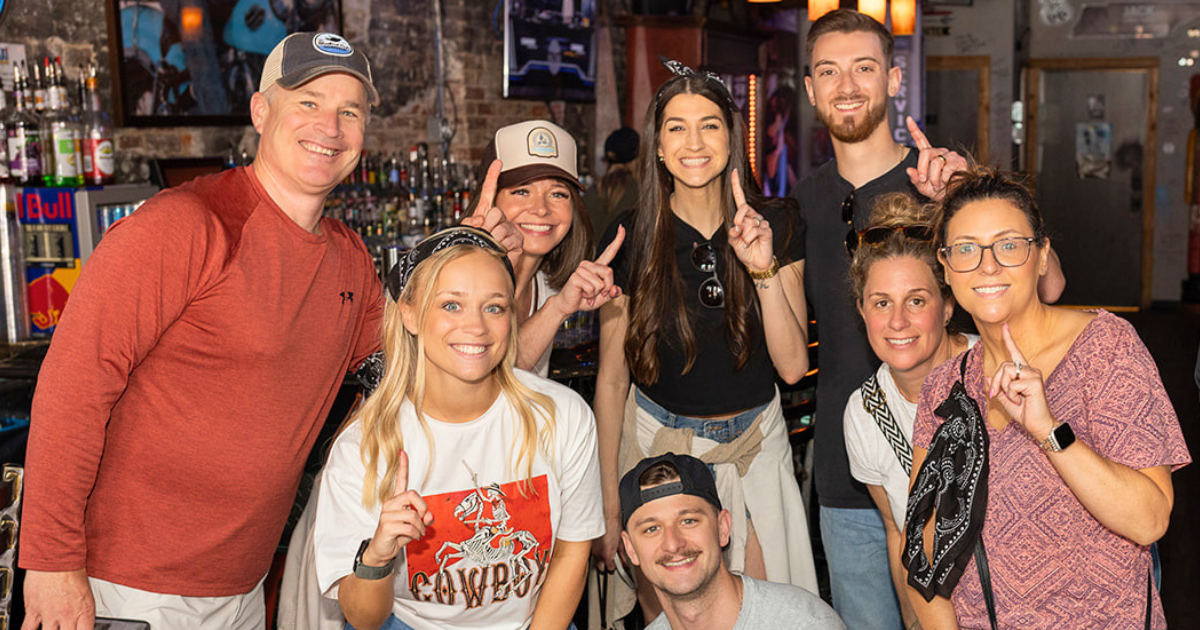
What to do in Nashville: A group guide for planners
Read more
Nashville has no shortage of ways to turn a group trip into a good time. Discover the hotels, venues, restaurants, and experiences worth adding to your Nashville agenda.

Breaking the general session mold
Read more
General session design doesn't have to feel predictable. See how experiential touches turn the main stage into a moment guests remember.
Ready for your one-of-a-kind experience?
Your inbox is starving. Feed it something good.
Sign up for our newsletter