The event prof’s role in fighting human trafficking
A practical guide for planners looking to take meaningful anti-human trafficking action at every stage of the event.


You walk into a ballroom buzzing with industry leaders, and your planner radar is on hyperdrive. You’ve checked menus, lighting cues, AV feeds. But have you ever scanned the room for signs of something far more sinister? As event professionals, our stages hold more than presenters and attendees. We operate in spaces such as hotels, convention centers, and venues where human traffickers exploit the flow of people and anonymity like a dark art. In today’s world, vigilance may not be in the job description, but it’s part of the reality.
Why this matters
High-risk environments are our work zones.
Hotels, airports, and large-scale venues are magnets for traffickers who use bustling events to blend in, traffic victims, and follow customers. According to BizBash, traffickers increasingly exploit conferences and festivals, not just mega-sporting events, because these are dynamic, often high‑risk environments and perfect for coercion or invisibility.
Our teams are uniquely positioned.
Hospitality staff, from travel directors to onsite coordinators, are among the first to spot odd behavior: excessive cash payments, guests who ignore housekeeping, minors traveling with adults who control them. PACT, a nonprofit working closely with hospitality professionals, emphasizes that from check‑in to check‑out, staff can identify indicators of trafficking if they’re trained and empowered.
It’s as much a moral imperative as a business one.
Beyond the human cost, there are legal and reputational risks. Thousands of dollars in lawsuits have hit hotels accused of ignoring trafficking indicators. Laws like the U.S. Trafficking Victims Protection Act impose real consequences, and initiatives such as AHLA’s “No Room for Trafficking” campaign are urging hoteliers to step up.
What planners can (and should) do right now
Build awareness into your event playbook
- Alert hotel and venue partners about your zero-tolerance mindset. But don’t just assume their policies match yours—ask.
- Add simple contract language asking venues and key vendors if they have anti-human trafficking protocols. No hardline demands, just transparency and alignment.
- Share materials with your internal team: include a brief on trafficking signs in pre-event prep or logistics docs.
Train your team with strategy, not fluff
- Recommend PACT’s free online hospitality or travel training:
- Recognize the Signs: A 30-minute module co-created with AHLA and Marriott.
- Recognize & Respond: Hospitality Edition: Scenario-based, multilingual training designed with input from survivors.
- Hotel Recertification & CE Credit: PACT’s CMP Preferred Provider training qualifies for continuing education credits.
Also, ensure your team knows how to recognize the universal hand signal for help. This silent, one-handed gesture is used to indicate distress or domestic abuse. It’s a simple but powerful tool that could make all the difference if someone is trying to alert staff discreetly.

Encourage key vendors and venue partners to take these trainings and recognize the signs as well. They’re not a substitute for strong internal policies, but they put more trained, watchful eyes in the room.
Set up clear response protocols
- If someone on the team spots something or thinks they might, there must be a safe, anonymous way to report it.
- Check in with your hotel or venue to understand their internal response protocol. Do they have a designated contact? A security process? Make sure your team is looped in and aligned.
- Encourage venues to post hotline info and awareness signage in guest rooms and staff-only areas (like back-of-house break rooms), following AHLA’s recommended signage guidelines. If they’re not already doing this, it’s worth asking why not.
Talk the talk, thoughtfully
While most client-facing events won’t include overt messaging about human trafficking, there are meaningful ways your own company can help raise awareness and make an impact behind the scenes.
- Use your internal channels such as staff meetings, newsletters, or company-wide trainings to educate your team about the issue and share actionable steps.
- Consider integrating a give back element into your internal incentive trips or annual programs. At Cohera, we coordinate a CSR activity on every incentive trip. This could include volunteering time, donating supplies, or fundraising for organizations fighting trafficking.
- Use your company’s social media or philanthropic platform to spotlight nonprofits like PACT, ECPAT-USA, or Thistle Farms. Even a single post can amplify awareness and support the broader anti-human trafficking movement within our industry. Even a single post can spark awareness or donations.
You don’t need to rebrand your business as an advocacy organization. But if you have a platform, use it with purpose.
Know your go-to resources
- Polaris Project – Runs the U.S. National Human Trafficking Hotline; offers corporate training.
- ECPAT-USA – Global nonprofit dedicated to ending child exploitation in travel and hospitality.
- Meeting Professionals Against Human Trafficking – Founded by planner Sandy Biback; provides community-based prevention tools.
- TraffickCam – An easy-to-use app that lets travelers upload photos of hotel rooms to help investigators locate victims and track traffickers. It’s a low-effort, high-impact tool you can encourage your entire event team to use.
Common Pushback and How to Navigate It
- “We’re not a law enforcement agency.” No one is asking you to arrest anyone. You’re training your team to notice, report, and let the experts act.
- “Our venue already handles this.” That’s great. But it’s fair to ask for proof or a refresher. This is high-stakes stuff. Let’s make sure we’re aligned.
- “We have deadlines; this extra stuff takes time.” Investing 30 minutes in PACT training now can save hours, reputational risk—or worse—down the line.
Thoughtful gifting that does good
Looking for a meaningful way to support survivors and raise anti-human trafficking awareness within your team or client base? Consider sourcing gifts for client appreciation, speaker thank-yous, or staff incentives, from companies that directly support anti-human trafficking efforts.
Here are a few to explore (and yes, we’re happy to help coordinate corporate gifting):
- The Worthy Co. – This Fort Worth-based non-profit employs and empowers women who have survived trafficking, incarceration, and addiction. Their thoughtfully crafted candles, jewelry, and apparel are made in-house, creating jobs and dignity with every purchase.
- Purpose Jewelry – Beautiful handcrafted pieces made by survivors of trafficking, with all proceeds supporting their education, healthcare, and career development through International Sanctuary.
- Thistle Farms – Based in Nashville, this nonprofit social enterprise employs and empowers women survivors of trafficking, addiction, and incarceration. Their candles, body care products, and teas make standout gifts that spark conversation and support recovery.
- The Tote Project – Ethically made totes, pouches, and accessories designed to inspire hope and advocate for freedom. A great option for sustainable swag or welcome gifts.
- Redemption Market – A curated marketplace featuring dozens of ethically made products from brands committed to fair labor and anti-trafficking initiatives.
These businesses offer more than merchandise—they create pathways to freedom and healing. Shopping with purpose is one small way to align our everyday choices with the values we bring to our events.
Final thoughts
As planners, we manage more than logistics, we manage communities in motion. That responsibility goes beyond wi-fi speeds and seating charts. Integrating anti-trafficking practices isn’t political. It’s humane.
Events are meant to bring people together, not offer cover for harm. If we’re not asking the tough questions: Does the hotel or venue have a plan? Who do we call if something looks wrong? then we’re not protecting our people.
Together, we can make anti-human trafficking education a standard, not an afterthought. Let’s be the pros who make events magical and meaningful. It’s time to make vigilance part of the vision.
Browse our blog
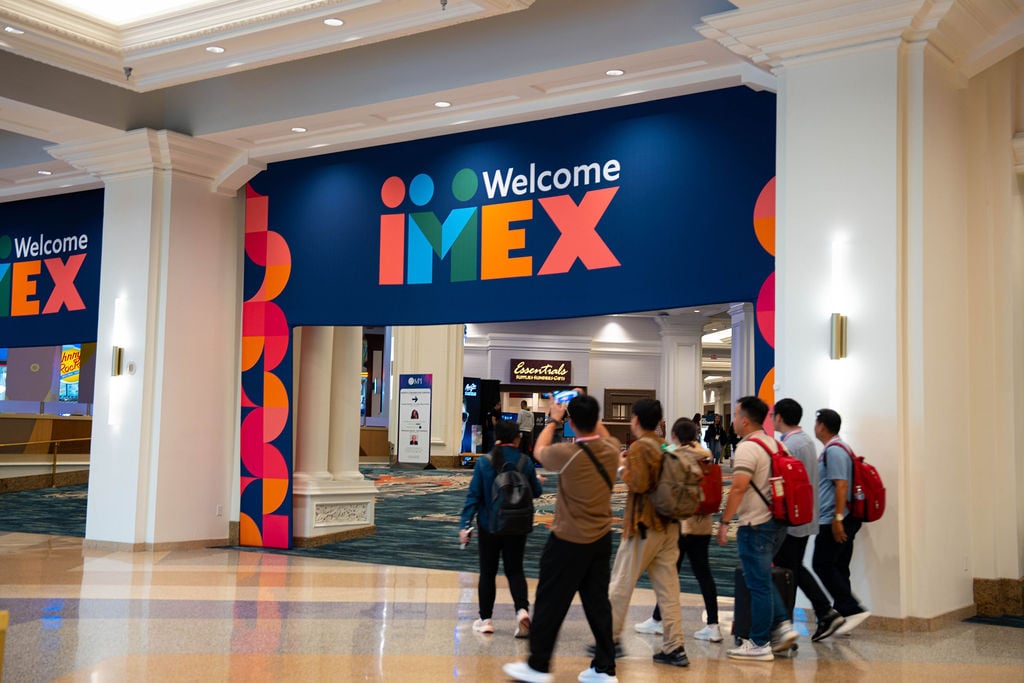
Stop wandering. Start working IMEX.
Read more
IMEX America is big. Your time is precious. Make every meeting count with tips for smarter planning, meaningful connections, and a little room for the unexpected.

Look again: Finding inspiration in the city you know
Read more
Discover how exploring your own city with fresh eyes can spark creativity, deepen destination knowledge, and inspire better events.

Design matters. And we're here for it.
Read more
Good design isn't about how a room looks. It's about how people feel. IMEX and Cohera break down what experiential event design actually does.
Ready for your one-of-a-kind experience?
Your inbox is starving. Feed it something good.
Sign up for our newsletter