How to make a bang with a small event budget
Stretch your event budget with smart, high-impact choices that elevate the guest experience without cutting corners.

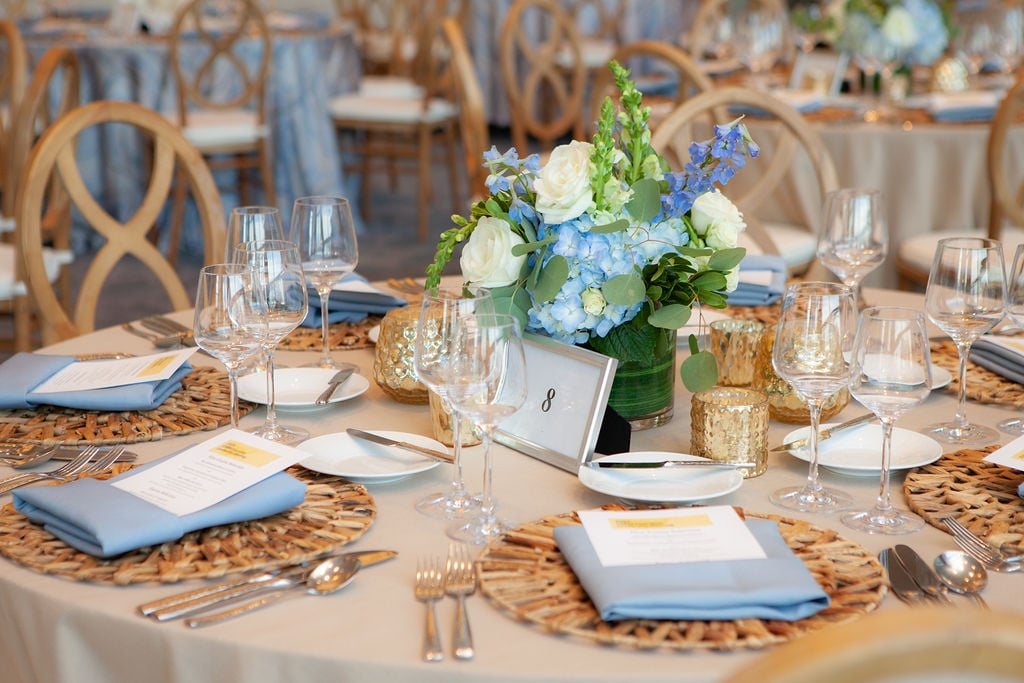
When a planner says, “We’ve got a small budget,” nobody means folding chairs, cheese cubes, and a prayer.
They usually mean this: the budget is tighter than everyone would prefer, the expectations are still sky-high, and the audience absolutely cannot feel the math. That’s the job. Not to make less feel like less. But instead to make smart choices look intentional, dialed-in, and worth showing up for.
And let’s be honest, this is not a new challenge. Planners have been doing budget gymnastics for years. The difference now is that guests have sharper radar. They know when money was spent in the right places, and they definitely know when it wasn’t.
Once you’re working above that baseline threshold, the biggest opportunity is not trying to sprinkle “wow” evenly across every line item. That’s how budgets disappear and nothing really lands. The better move is choosing a few elements that work harder than the rest. Think statement pieces with more than one job, activations people actually want to do, and design choices that can flex across multiple touchpoints without looking recycled.
Small budget. Big expectations. Very doable.

Spend where people actually feel it
When dollars are tight, start with two lists: must-haves and nice-to-haves.
Must-haves are the pieces that shape the guest experience in a real way: flow, comfort, energy in the room. Something interactive that breaks up the expected rhythm of the day. Nice-to-haves are the details that may be lovely, but are not necessarily what attendees talk about on the flight home. That distinction matters.
Guests rarely leave saying, “I’m still thinking about those charger plates.” They do remember the custom tea blending station where they made something to take home. They remember patch bars where a basic tote or hat turned into something personal. They remember a photo moment that was actually worth stepping into, not just a branded backdrop parked in the corner like an afterthought.
This is where perceived value lives. Not always in volume, but in participation.
It is the same principle we talk about in our piece on avoiding extra fees: smart budget management is usually less about slashing and more about choosing wisely before costs snowball. That article gets into the nuts and bolts of where planners can save without creating headaches later.
Reuse the expensive stuff
Here’s one of the most reliable ways to make a budget stretch: stop asking every event moment to start from scratch.
If a group is meeting in the same ballroom all day and then returning to that ballroom for dinner night after night, the room has to work harder. A full transformation every time can get pricey fast. But a room does not need entirely new bones to feel new.
We’ve seen strong results when planners invest in a few neutral, higher-impact anchor pieces and then restyle around them. Swap hotel chairs for something with more personality that can live across multiple themes. Bring in bar fronts and lounge groupings in versatile tones. Use different pillows, florals, tabletop accents, lighting looks, and decorative layers to change the energy from one night to the next.
The large rentals are the expensive part. Once those are in the room, you want maximum mileage.

A neutral wooden chair can read modern one night, coastal the next, and warm and editorial after that, depending on what surrounds it. The same lounge grouping can feel buttoned-up for a welcome reception and more playful for a closing-night party with a few thoughtful adjustments. That is not cutting corners; that is design with a pulse.
Stop overspending in predictable places

Food and beverage usually eats a large piece of the budget. For good reason. People need to be fed, and nobody wants the event remembered for sad chicken.
But this is also where planners can overspend without gaining much in return.
A massive buffet can be expensive and oddly forgettable. An interactive display, on the other hand, often creates more impact for the same spend or a little strategic reallocation. Passed bites presented with personality. A sweets display built with movement and height. Something that invites a second look before the first bite.
The point is not novelty for novelty’s sake. It is giving the experience shape.
The same thinking applies to venue layout and timing. If there is one place to make a moment count, choose the areas with the highest traffic. Registration. Pre-function. Break space. The transition zone outside a general session. Those are natural pressure points in the attendee journey, which means they are also prime opportunities for something personal, useful, or pleasantly unexpected.
A well-placed activation in a busy area can work harder than a beautiful detail tucked in a room nobody lingers in.
Small budgets still need a point of view
This is the part planners sometimes forget when budgets get tight. Constraints do not remove the need for storytelling. They make it more important.
When there is less money to spread around, every choice has to feel connected. From arrival to departure, the program should have a rhythm, a reason, a little sense that “of course this belongs here.”
That does not mean every surface needs branding or every moment needs a big reveal. In fact, it usually works better when it doesn’t.
A few well-timed surprise-and-delight moments will do more than trying to turn every hour into a production. Maybe it is a personalized touch at registration. Maybe it is a hands-on activation during a break when energy dips. Maybe it is a takeaway that feels thoughtful instead of obligatory. The throughline is what makes the budget feel intentional rather than limited.
And that mindset shift can change everything.
When budget pressure kicks in, the temptation is to focus on what you cannot do. The better question is: what will people actually notice, use, remember, and talk about later?
That answer is almost never “more stuff.”
It is value over extravagance. It is choosing one strong visual moment over five weak ones. It is building around guest participation instead of décor for décor’s sake. It is selecting elements that can flex, repeat, and still feel fresh. Most of all, it is remembering that a confident plan will always read better than an overextended one.
Because no one is handing out trophies for having the longest rental order.
What people do notice is when a program feels smart. When it feels considered. When the experience meets the moment, the audience, and the budget without breaking a sweat.
That is the bang. Not bigger, but better aimed.
Browse our blog
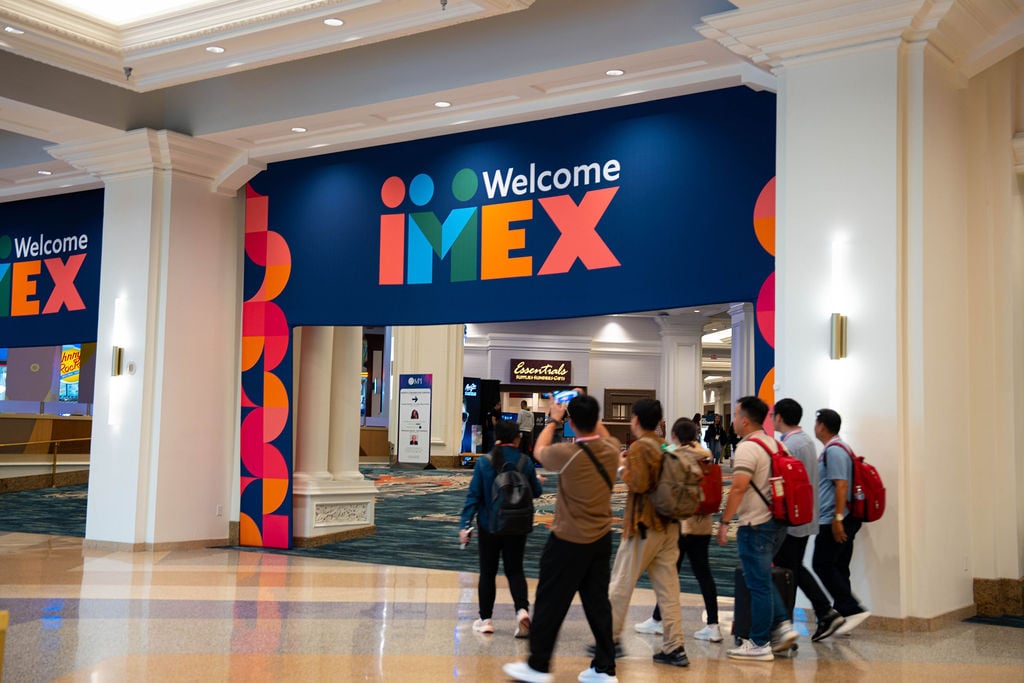
Stop wandering. Start working IMEX.
Read more
IMEX America is big. Your time is precious. Make every meeting count with tips for smarter planning, meaningful connections, and a little room for the unexpected.
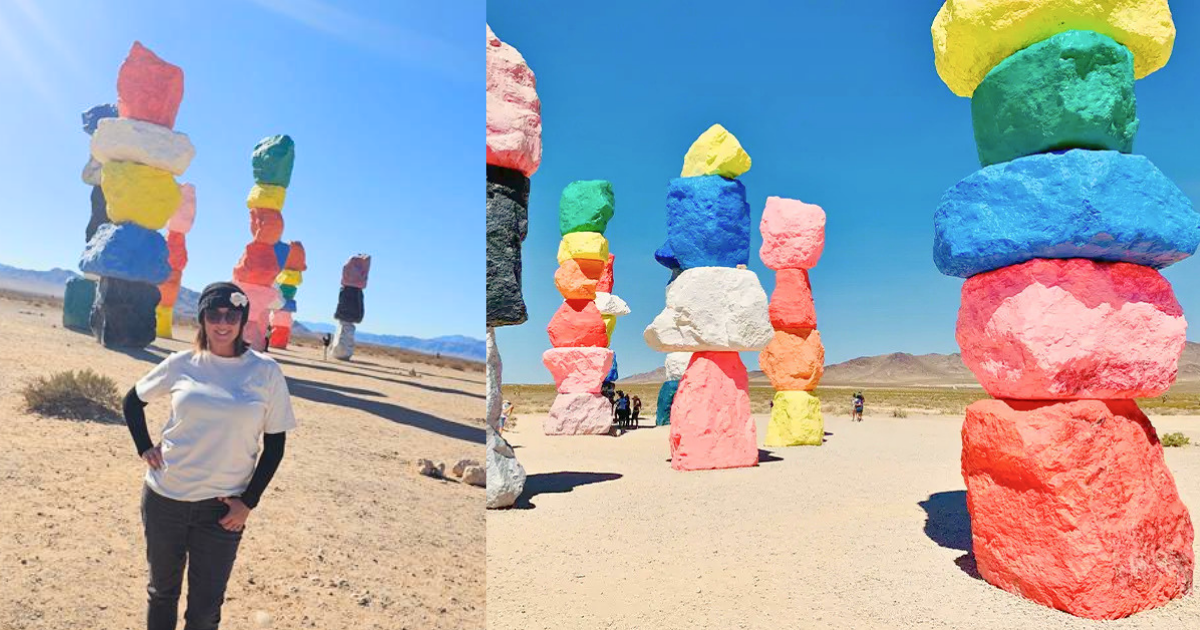
Look again: Finding inspiration in the city you know
Read more
Discover how exploring your own city with fresh eyes can spark creativity, deepen destination knowledge, and inspire better events.
Design matters. And we're here for it.
Read more
Good design isn't about how a room looks. It's about how people feel. IMEX and Cohera break down what experiential event design actually does.
Ready for your one-of-a-kind experience?
Your inbox is starving. Feed it something good.
Sign up for our newsletter