
 Creative

Designing multigenerational events from A to Gen Z
How do you design multigenerational events that feel personal to every attendee? Practical guidance on pacing, technology, and inclusion.

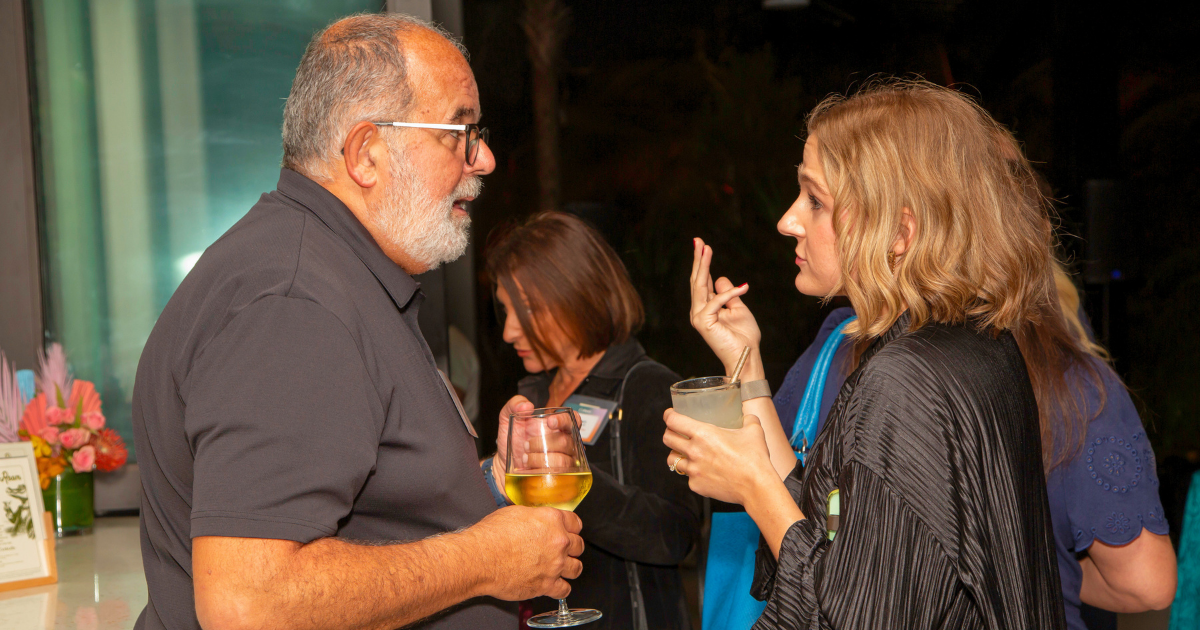
Treating a mixed-generation audience as a checklist of “what each generation wants” may seem like the obvious answer, but this type of approach fragments the event instead of unifying it. The real design question to answer is: “Where do generational expectations differ, and how can we bridge those gaps effectively?” Diverging wants and needs show up across core program elements like pacing, tech, networking, food and beverage, and free time. Let’s explore what event planning for multiple generations actually looks like when the goal is one cohesive experience, not four.
Start with the guest, not the generation
Our team asks three diagnostic questions before design begins:
- Who’s attending?
- Why are they attending?
- What does a successful program look like for them?
While the first bullet may feel like the most important, it’s actually just context. What actually fuels our creative process is the event’s purpose. Whether attendees are looking to network, celebrate, learn, or recharge shapes the experience far more than age ever could. It’s critical that you get this information directly from the source via a survey or poll because stakeholders might have a different opinion than your actual audience.
The generational gaps worth designing around
Before we cover the fundamentals of bringing everyone together, let’s look at where generational differences in events tend to show up most. Four areas tend to show the widest range: pacing, technology, networking, and free time.
Gen Z attendees tend to gravitate toward flexibility and digital-first experiences. They’re comfortable building their own path through a program rather than following a fixed schedule, and they expect technology to make that possible, not get in the way. Millennials often respond best to intentional programming that still leaves room to explore, whether that’s a curated tour, an optional activity, or unstructured time built into an otherwise structured day. Gen X attendees, meanwhile, tend to prioritize efficiency and comfort. A packed agenda rarely reads as value to this group; a well-paced one that respects their time and creates space for meaningful connection does.
None of these are hard rules, and the point isn’t to sort your attendee list into three columns. It’s to recognize that a single, rigid format (one pace, one channel, one kind of networking moment) will always underserve someone in the room. The goal is a program flexible enough to meet all three tendencies at once, which brings us to…
Younger attendee values planners can’t overlook
For Gen Z, flexibility is only part of the picture. There’s a deeper expectation underneath it: authenticity and inclusion. Younger attendees aren’t just asking for more choices in the schedule; they’re asking for the choices themselves to feel real.
In practice, that means local experiences over generic ones, interactive moments over passive ones, and a level of personalization that makes an attendee feel like a participant rather than an audience member. Sustainability matters here too, not as a checkbox, but as a signal that the program was designed with intention. What connects all of it is a resistance to anything that feels scripted. Another ballroom reception, however well executed, reads as safe. A locally-sourced tasting led by the chef who created it reads as memorable.
This isn’t a Gen Z-only preference; they’re just the most vocal about it. The rest of the room will appreciate it too.
Design in layers, not lanes

If there’s one principle that ties every generational tendency together, it’s this: the desire for experiences that foster authentic connection. Our job is to build one event with enough range that it resonates with everyone.
That looks like a general session that pairs a high-energy interactive moment with quieter breathing room later in the day. A networking block can offer a structured icebreaker for attendees who want the prompt, alongside open lounge space for those who’d rather curate their own conversations. Breakouts can vary in pace and intensity rather than all following the same format, so attendees can self-select what suits them instead of being sorted by age or assumption.
This is also where flexibility earns its keep as a design principle rather than a buzzword: it’s not about adding more to the agenda, it’s about building in enough optionality that the same program serves a room full of different expectations. Get this right, and inclusive event planning stops being a separate initiative. No one has to know which parts of the day were ‘designed for them.’ They just feel included.
Formats that work across the ages

Some activities and activations meet a variety of expectations automatically. Food tours, hands-on workshops, and interactive activations consistently resonate across the generations, and the reason isn’t the novelty. It’s that they create natural conversation without forcing it.
A food tour puts people shoulder to shoulder around a shared, low-stakes experience. There’s no need for small talk. The next stop, the next dish, is always the next thing to talk about. A hands-on workshop works the same way; a shared task gives attendees a reason to collaborate that has nothing to do with their job title or their age. Interactive activations do it too, turning a passive audience into active participants without requiring anyone to opt into performing.
What these formats have in common is a low barrier to entry, regardless of an attendee’s comfort level with technology, socializing, or structure. Nobody’s left standing at the edge of a room wondering how to break in. The format itself does that work.
These are also, not coincidentally, the same formats that tend to photograph well and generate the kind of organic, in-the-moment content attendees will want to share on their own feeds.
Meet attendees where they are
Tech-savviness varies as much as anything else on this list, and communication is where that gap shows up first. Email and text should absolutely be part of your plan; they’re fast, expected, and easy to update in real time. But they shouldn’t be the only plan.
Printed schedules still matter. A staffed information desk still matters. For some attendees, an app-based itinerary is second nature. For others, it’s one more thing to figure out on top of travel, a new city, and a full day of programming. Neither preference is wrong, and neither should be the only option available.
The goal isn’t picking the “right” channel. It’s giving attendees more than one way to find what they need, so nobody spends the first hour of an event feeling lost.
Downtime is part of the program, not a gap in it

Free time isn’t wasted time, and treating it that way is one of the more common event design oversights. Wellness activities, solo exploration, and optional breakout tracks all give attendees a way to recharge on their own terms instead of powering through a schedule built for someone else’s energy level.
This doesn’t have to mean more complexity on the planning side. A wellness block doesn’t need its own budget line and staffing plan; sometimes it’s as simple as protecting a real gap in the agenda instead of filling it by default. Solo exploration can be as low-lift as a self-guided option alongside a group activity, so attendees aren’t choosing between participating and recharging.
The attendees who use this time well don’t disappear from the event. They come back to the next session with more to give.
Design for connection, not trends
It’s tempting to chase whatever’s performing well on social media this quarter, but popularity and meaningful engagement aren’t the same thing. An activation that photographs well isn’t automatically one that resonates, and an event built around this month’s trend has an expiration date.
The formats and principles covered here work because they’re timeless, not because they’re current. Layered pacing, multiple access points, protected downtime, low-barrier formats like food tours and workshops; none of that depends on the latest fad. It depends on understanding the room. Design for that, and relevance takes care of itself.
Multigenerational events were never meant to be four programs cobbled together under one agenda. Done right, they’re one experience with enough range that every attendee, from A to Gen Z, finds their way into it.
Ready to design your next event around connection instead of categories? Let’s do it.
Browse our blog

Meet Trina Roffino
Read more
New CEO. New chapter. Lots to be excited about.
What to do in Nashville: A group guide for planners
Read more
Nashville has no shortage of ways to turn a group trip into a good time. Discover the hotels, venues, restaurants, and experiences worth adding to your Nashville agenda.
Breaking the general session mold
Read more
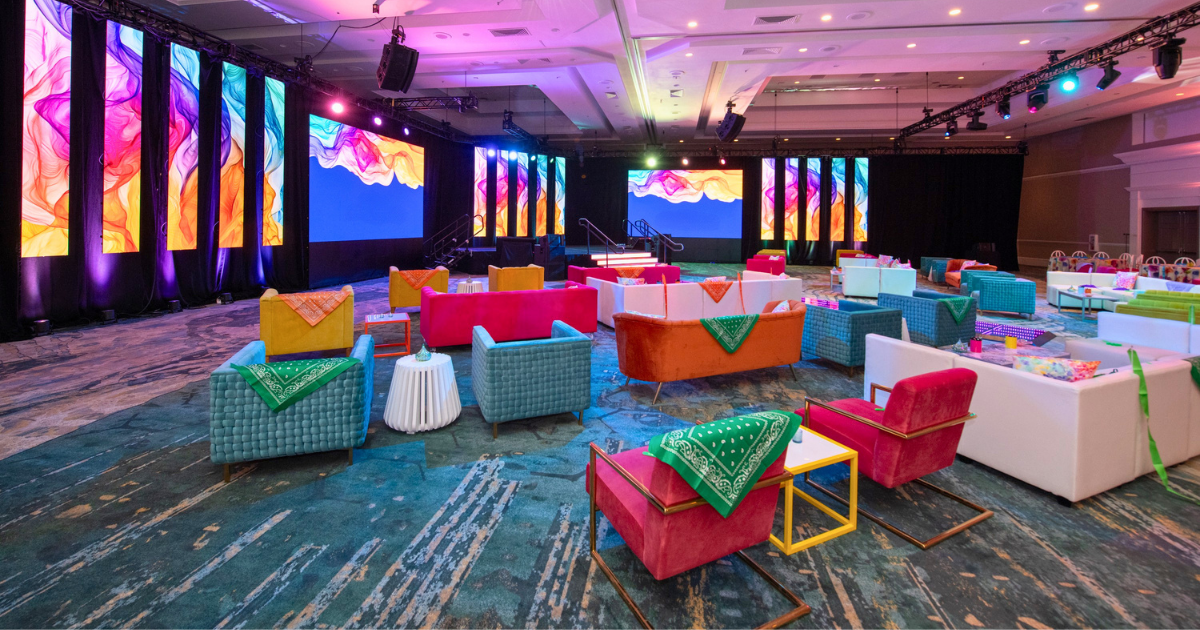
General session design doesn't have to feel predictable. See how experiential touches turn the main stage into a moment guests remember.
Ready for your one-of-a-kind experience?
Your inbox is starving. Feed it something good.
Sign up for our newsletter