
 Creative

How SXSW 2026 can inspire your next event
SXSW 2026 lessons for planners: smarter brand activations, guest-led agendas, and experience design that actually works

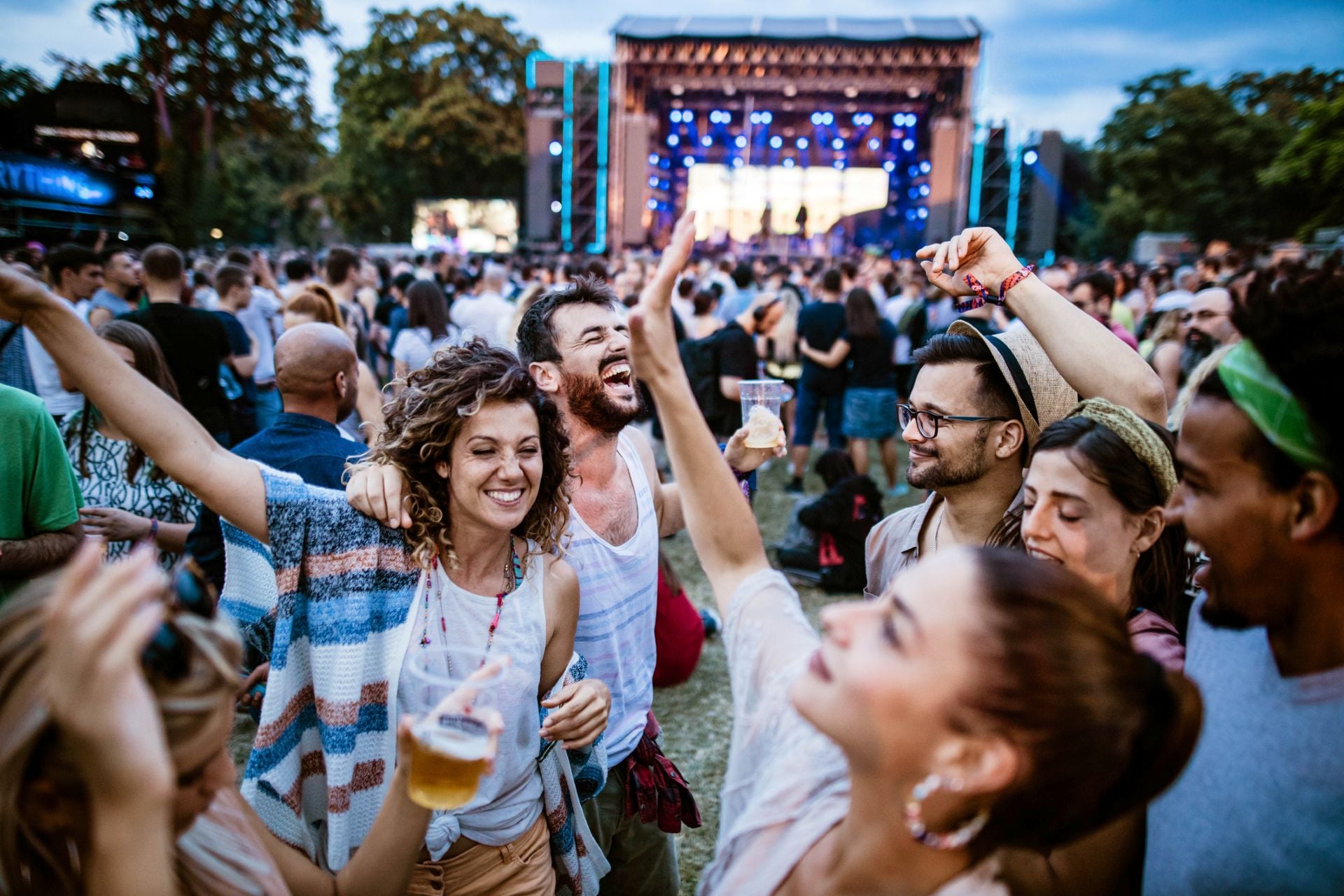
Austin has a personality year-round. But during SXSW 2026, it has a pulse.
For one week, the city feels like the internet learned how to walk. You take three blocks and suddenly you’re in a product demo, a live podcast, a film premiere, and a pop-up serving coffee that’s somehow better than your usual spot because your face is on it. That collision of worlds, film + tech + music, is the point. It’s messy in the best way.
And in 2026, the mess gets a new map.
With the Austin Convention Center closed for redevelopment, SXSW is leaning harder into the “city as venue” idea, spreading energy into new neighborhoods and unexpected spaces. That shift is not just interesting, it’s useful. Because most corporate events are heading in the same direction: less “everyone in one room all day,” more “give people options and let them move.” SXSW runs March 12–18, 2026. That’s seven days of real-time feedback on what guests actually choose when you stop controlling every second.
Here’s what planners can borrow from SXSW’s playbook without importing the chaos, the lines, or the dehydration.
Design for guests who are not captive (because they aren’t)
SXSW is basically a live testing lab for attention. People are not seated in a ballroom politely waiting for the next speaker. They’re choosing. Constantly.
That’s where the inspiration is.
Corporate audiences have the same instinct now. They want agency, variety, and a reason to care in the first five minutes. If your general session takes 20 minutes to warm up, your attendees will mentally RSVP “maybe” and start reorganizing their inbox.
Steal this SXSW move: build your event like a “choose your own adventure,” minus the stress.
- Give multiple entry points into content. Let people start where they are, not where your agenda says they should be.
- Shorten the on-ramp. Make it obvious what’s happening within seconds.
- Repeat what matters. If a session is important, give it a second time slot or a recap format so nobody feels punished for missing it.
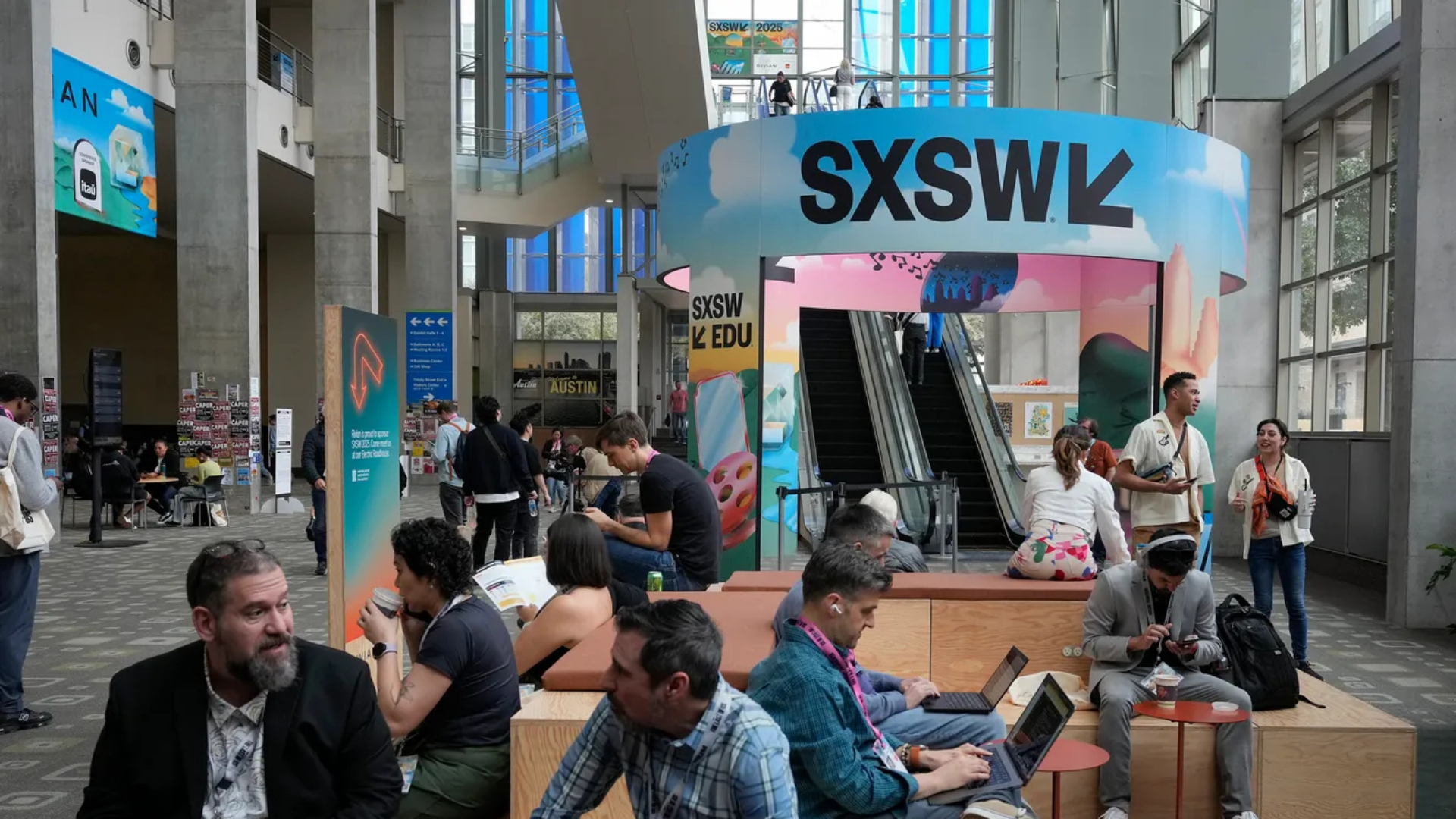
Brand activation that works in 2026 is built for humans, not cameras
At SXSW, everyone is overstimulated, over scheduled, and slightly dehydrated. The activations that win understand that and design accordingly. Designers don’t just ask, “How do we get noticed?” They ask, “Why would someone stay?”
Flashy distractions tend to be built for the camera, not the guest. They look amazing from the outside, then fall apart once you step in. Long lines with no payoff. Confusing flow. Staff who can’t explain what you’re supposed to do.
What’s different about the activations people actually talk about:
- A clear point of entry
- A simple story you can grasp fast
- A reason to engage beyond taking a photo
- Comfort baked in (water, shade, seating, pace)
The differentiator in 2026 is intention. If every design choice doesn’t support the guest experience, people can tell. And they vote with their feet.
Big builds still have a place, but intimacy scales better than spectacle
Sure, big builds still work when they’re earned. But SXSW has been signaling for a while that intimacy travels further than sheer size.
Some of the best SXSW events are the ones hidden in plain sight. You walk through a bookcase in a car lot and end up in an underground speakeasy. You’re not a bobbing head in a crowd. You’re part of the moment.
For corporate events, the translation is simple: we don’t need to build a theme park. We need to build moments.
Try “small modules, done exceptionally well”:
- A micro lounge with sensory design people feel the second they step in
- A maker moment where guests create something they actually want to keep
- A guided tasting with a real storyteller
- A few layered rooms with different vibes so no one format has to work for everyone
More chooseable. Less one-size-fits-all.

Controlled chaos has rules. Borrow the rules, not the frenzy.
The lesson of SXSW is not “make it hectic.” The lesson is “design for reality.”
SXSW assumes people will be late, distracted, hungry, overstimulated, and tempted by ten other options. So the best experiences are resilient. They have strong wayfinding, quick onboarding, flexible timing, and yes, good snacks.
Borrow this for corporate programs:
- Build buffers into the day so you’re not one late bus away from schedule collapse
- Shorter session formats, with natural exit points
- Networking that doesn’t require everyone to be in the same place at the same time
- Plan for lines like they are part of the program, not an accident. If someone waits, give them something to do, learn, taste, or personalize
Layer engagement so every guest can “win”
SXSW is a choose-your-own-adventure with no guilt. People go deeper when they feel in control. The smartest experience design right now is layered.
- Layer one: the easy yes. Walk in, get it immediately, do a simple interaction, leave satisfied.
- Layer two: the linger. Seating, conversation, a demo, a tasting, a mini workshop.
- Layer three: the superfan track. Deeper content, backstage moments, challenges, reservation-only add-ons.
This structure is how you keep the casual attendee and the power user happy in the same footprint.
Use lighting, color, and texture to do a job, not just look cute
At SXSW, you can feel the difference between a space that was styled and a space that was authored.
The best design choices have a job:
- Lighting guides you, flatters you, sets emotional tempo
- Color signals what kind of moment you’re in
- Texture makes it feel real, not rented
And yes, sound and scent matter too. You don’t need a massive budget to make a room feel considered. You need a point of view and a designer who understands guest behavior, not just décor.
Inclusion shows up in layout before it shows up in copy
Inclusive experience design is logistics, not slogans.
It looks like:
- Multiple ways to enter, move, sit, and participate
- Clear sightlines and signage
- Seating that works for different bodies and energy levels
- Programming that doesn’t assume everyone networks the same way or at the same volume
- Quiet moments alongside high-energy moments
- Accessibility handled seamlessly, not as a “please ask us” moment
When inclusion is done well, no one notices it. Everyone just feels like they belong. That’s the goal.
A local SXSW tip that’s actually a lesson in community
Every Austin local knows When Where What became the unofficial survival guide for SXSW. It helped people understand what required a badge, what was free, and how to find the good stuff without wandering aimlessly.
For years, Chris Cates built that cheat sheet energy into a real resource, the kind that shaped how people experienced the week. He recently shared that he’s been diagnosed with stage four colon cancer, and it’s hard not to pause and appreciate the impact one person can have on a city’s creative fabric.
It’s a reminder worth keeping: community-driven insight often matters just as much as the biggest brand moment. Sometimes the most helpful “activation” is clarity.
What to borrow, and what to leave behind
Borrow the spirit of experimentation and generosity. SXSW rewards creative risk, but it also rewards taking care of people. Bring the curiosity, the interdisciplinary thinking, the storytelling, and the permission for guests to opt in at their own pace.
Leave behind overcrowding as a flex. Lines as a strategy. Swag that becomes landfill. And the idea that louder equals better.
SXSW 2026 is proof that attention is earned through comfort, clarity, and a little wonder. If that’s the direction your next program is going, you’re in good company.
Browse our blog
Meet Trina Roffino
Read more
New CEO. New chapter. Lots to be excited about.
What to do in Nashville: A group guide for planners
Read more
Nashville has no shortage of ways to turn a group trip into a good time. Discover the hotels, venues, restaurants, and experiences worth adding to your Nashville agenda.
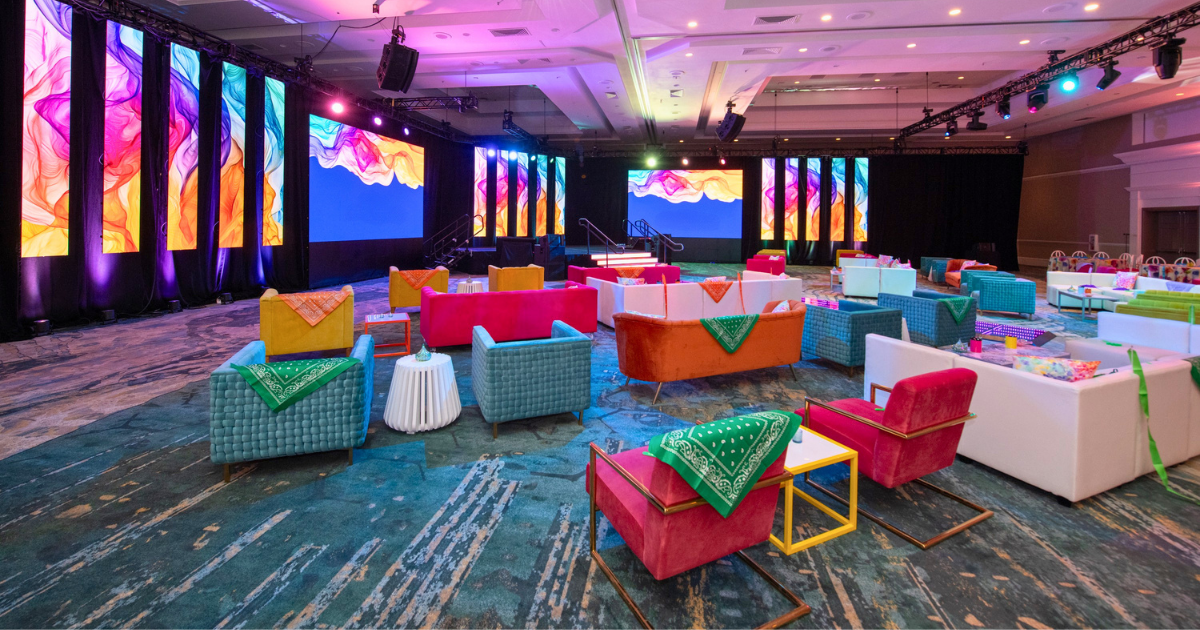
Breaking the general session mold
Read more
General session design doesn't have to feel predictable. See how experiential touches turn the main stage into a moment guests remember.
Ready for your one-of-a-kind experience?
Your inbox is starving. Feed it something good.
Sign up for our newsletter