
 Creative

Maximize ROI for your event: a comprehensive guide
Prove your event’s value: smarter goals, spend, sponsors, engagement, and follow-up that executives respect.

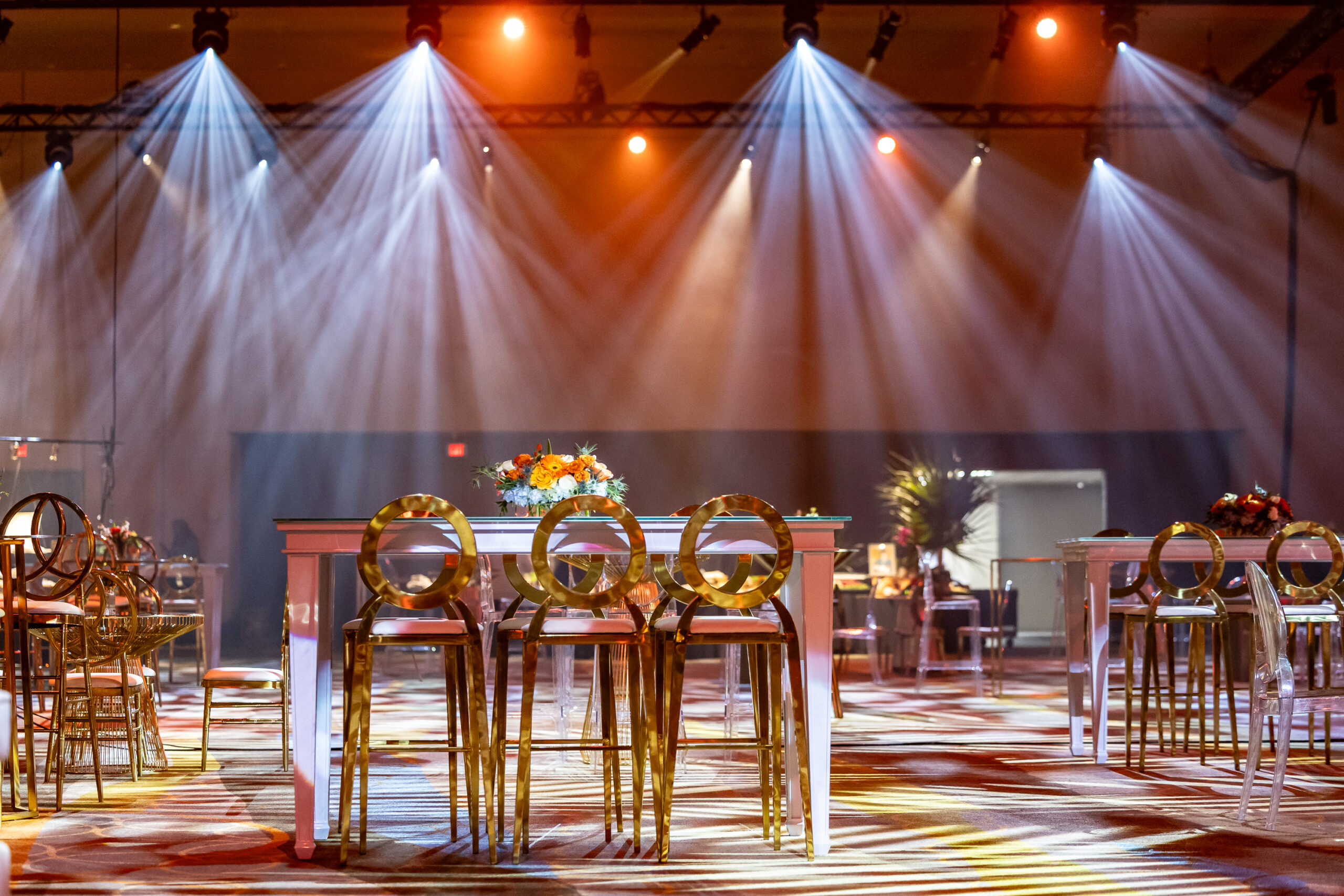
Your CFO just asked, “So… what did we get for all that?”
And you smiled. Calm. Professional. Totally not remembering the linen upgrade line item that multiplied overnight.
Here’s the thing: ROI is not the villain. It’s just the language your stakeholders speak when budgets get tight and everyone starts eyeing the spreadsheet like it owes them money. The good news? You can absolutely show the value of your event in ways that go way beyond “we sold X tickets.”
We’ve been doing this for decades, back when “event tech” meant a printer that didn’t jam and a guy named Steve who knew how to tape down cables. We’ve learned a few things since then. We’ve also changed a lot. And that’s kind of the point.
If you want better ROI, you need a plan that starts before the first save-the-date and keeps working long after the last shuttle pulls away.
Define success before you design anything
Before you fall in love with a venue, a theme, or a signature moment, decide what success looks like and how you’ll recognize it when it happens. This is where ROI gets real, because “we got great feedback” is lovely, but it’s not a metric.
Think about what the event is supposed to do. Is it meant to generate qualified leads? Move deals forward? Strengthen loyalty? Train a salesforce? Unite a team that hasn’t been in the same room in two years? Each one of those goals changes what you prioritize, what you measure, and what you report afterward.
A strong KPI set usually covers a mix: financial performance, brand visibility, attendee engagement, and business development outcomes. Pick what matters most, set targets that are measurable, and make sure everyone who needs to sign off agrees with the scoreboard before you hit “go.”
Budget like a strategist (not a martyr)
A tight ROI story starts with a budget that tells the truth. Not just vendor invoices, but the sneaky stuff that quietly inflates the real cost of producing an event: staff time, internal approvals, overtime, shipping, last-minute replacements, and change fees that appear when one agenda tweak triggers a domino effect.
Once you know the true cost, you can invest smarter. Sometimes that means negotiating for added value instead of shaving pennies. A later teardown fee might matter less than comped Wi-Fi, earlier access, or built-in rigging that saves you on labor. Sometimes it means choosing off-peak dates or a secondary market where your dollars stretch further and your attendees get a fresh destination that hasn’t already hosted three of their competitor events.
And don’t forget revenue beyond registration. Sponsorships, exhibitor fees, premium workshops, VIP upgrades, merch, and advertising space inside your event ecosystem can all add up. The key is making those streams feel intentional, not desperate. No one wants “sponsor bingo.” Everyone appreciates value.
Sponsorships need outcomes, not logo placement
Sponsors are in their own ROI era. They’re asking, “What do we get?” and they want something more compelling than a logo on a screen that attendees barely glance at while hunting for coffee.
Build sponsorship packages around sponsor goals: lead capture, thought leadership, product education, or brand visibility. Then give them opportunities that actually support those goals. Branded lounges where meetings happen. A demo slot that drives real traffic. A charging station people genuinely use. Content integration before and after the event, when attention spans are less divided.
Most importantly, define measurement upfront. If you can tell a sponsor exactly what you’ll track, like booth scans, session attendance tied to their content, digital engagement, or appointment volume, you’re not just selling space. You’re selling proof.
Pre-event marketing starts your ROI clock early
If ROI were a stopwatch, it starts ticking long before doors open. The most successful events build anticipation, collect signals, and shape attendance behavior before anyone steps into the ballroom.
Use what you already know. Past registration patterns, session attendance, engagement data, and audience feedback are a cheat code for smarter targeting. Segment your audience and tailor messaging based on why different groups attend. One group is there for education, another for networking, another for deals, and yes, some are just there because their boss told them to be. Speak to each group like you’ve met them before.
Early-bird pricing still works, but it works best when it’s paired with good reasons to commit early: access to limited-capacity sessions, priority meeting booking, or special content drops. Layer in referral incentives that feel like a thank-you, not a gimmick. And encourage user-generated buzz in a way that’s easy. Give people a hashtag, a reason to post, and a moment that makes them want to.
Decor and activations that earn their budget
Let’s retire the idea that decor is “just pretty.” Design decisions shape flow, energy, comfort, and what people remember. They also shape what people share, which matters when your stakeholders are asking for brand lift.
Strategic decor is branding plus behavior. Wayfinding that’s clear (and attractive) reduces stress and keeps people moving. Seating and lounge placements drive spontaneous networking. Lighting helps your space feel intentional instead of like a repurposed banquet hall. And a well-planned photo moment turns attendees into your loudest marketing channel, especially when it looks good on a phone camera and doesn’t feel like a forced selfie trap.
Activations are where engagement becomes measurable. A workshop station, a smart gamification element, a live demo that draws a crowd, or a photo booth with clean opt-in data capture can create both attendee value and post-event follow-up fuel. The best activations do not shout for attention. They offer something useful, fun, or genuinely interesting, then quietly collect the engagement metrics that help you prove impact later.
How to measure corporate event ROI
Post-event ROI is not a survey. It’s a system. You’re collecting proof, connecting dots, and translating activity into outcomes someone outside events can respect.
Start with the right data mix. Surveys tell you satisfaction and intent, but keep them short enough that people actually complete them. Your CRM tells the longer story: which leads turned into meetings, which meetings turned into opportunities, and which opportunities closed. Web analytics and social metrics show reach and behavior. Session attendance and app engagement show what people cared about, not what you guessed they’d care about.
Then do the part most teams skip: close the loop. Hold a post-mortem while it’s still fresh, document what worked, and name what you would change next time. Follow up quickly with attendee thank-yous, content access, and key takeaways. Nurture leads based on engagement, not one-size-fits-all blasts. Repurpose the content you paid for into assets that live on: short clips, internal recaps, social posts, and sales enablement. Your event shouldn’t disappear after teardown. It should keep working.
When someone asks, “Was it worth it?” you want to answer with confidence: here’s what we set out to do, here’s what we achieved, here’s what it meant for the business, and here’s exactly how we’ll build on it next time.
That’s how you protect budget, earn trust, and keep your programs funded when everyone is scrutinizing spend. And it’s also how you keep events feeling current, relevant, and worth showing up for, no matter how many years your attendees have been doing this.
Browse our blog

Meet Trina Roffino
Read more
New CEO. New chapter. Lots to be excited about.
What to do in Nashville: A group guide for planners
Read more
Nashville has no shortage of ways to turn a group trip into a good time. Discover the hotels, venues, restaurants, and experiences worth adding to your Nashville agenda.
Breaking the general session mold
Read more
General session design doesn't have to feel predictable. See how experiential touches turn the main stage into a moment guests remember.
Ready for your one-of-a-kind experience?
Your inbox is starving. Feed it something good.
Sign up for our newsletter